


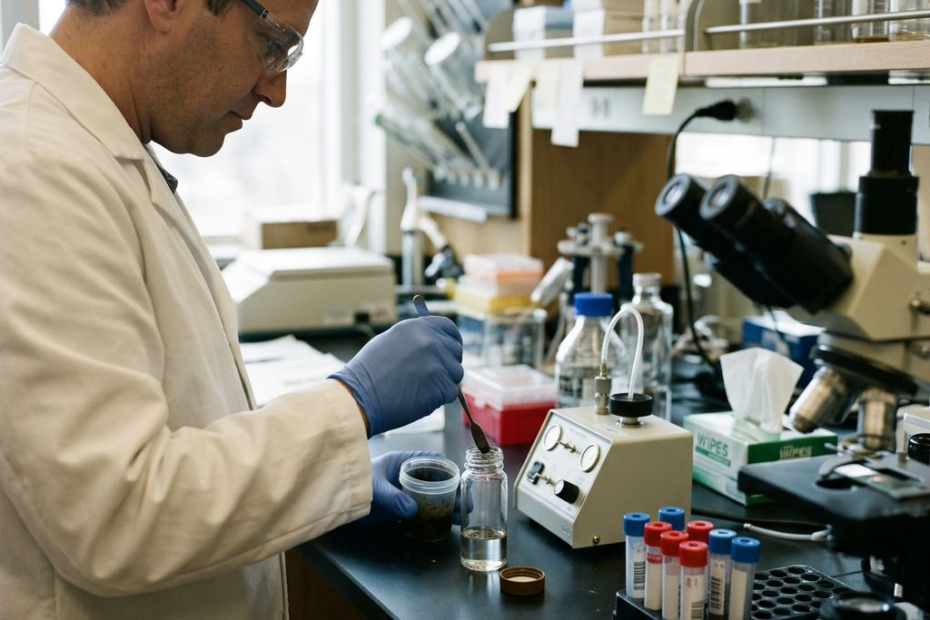
Why a Tiny Trace of Sulfur Can Make Gas Smell So Strong
In Simple Terms Most gas is odorless, and passing it is a normal part of digestion. The food we eat affects what our gut microbes produce, and a tiny amount of certain substances can create…
In Simple Terms Most gas is odorless, and passing it is a normal part of digestion. The food we eat affects what our gut microbes produce, and a tiny amount of certain substances can create…
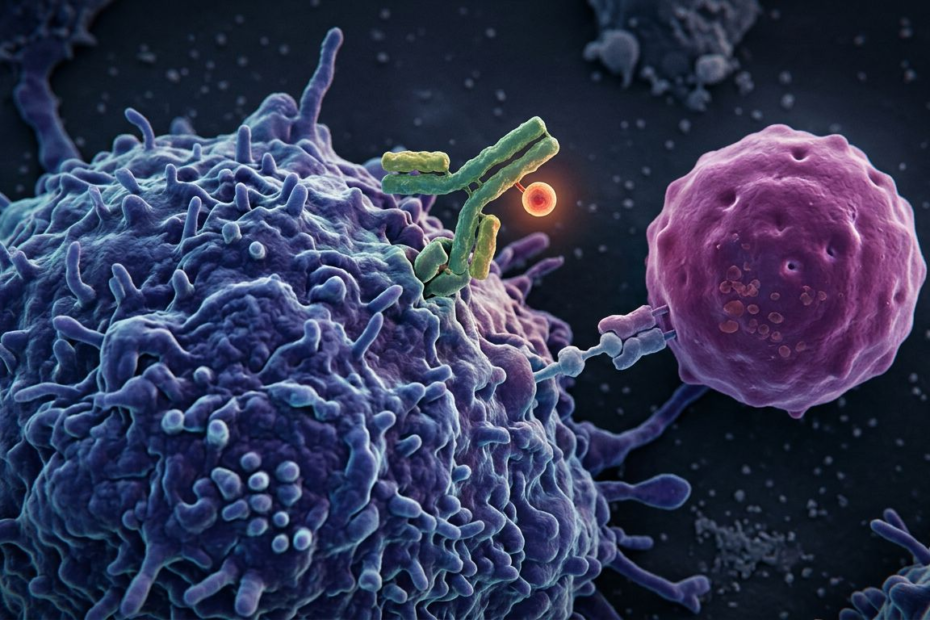
In Simple Terms Erasca says its experimental drug may work better and be easier to tolerate than a rival treatment for pancreatic cancer. But the evidence available so far is limited, and important details have…

In Simple Terms Researchers have found a way to arrange lithium on copper as tiny, evenly spaced discs instead of one difficult-to-make sheet. They also treat the lithium’s surface to help it work more steadily…
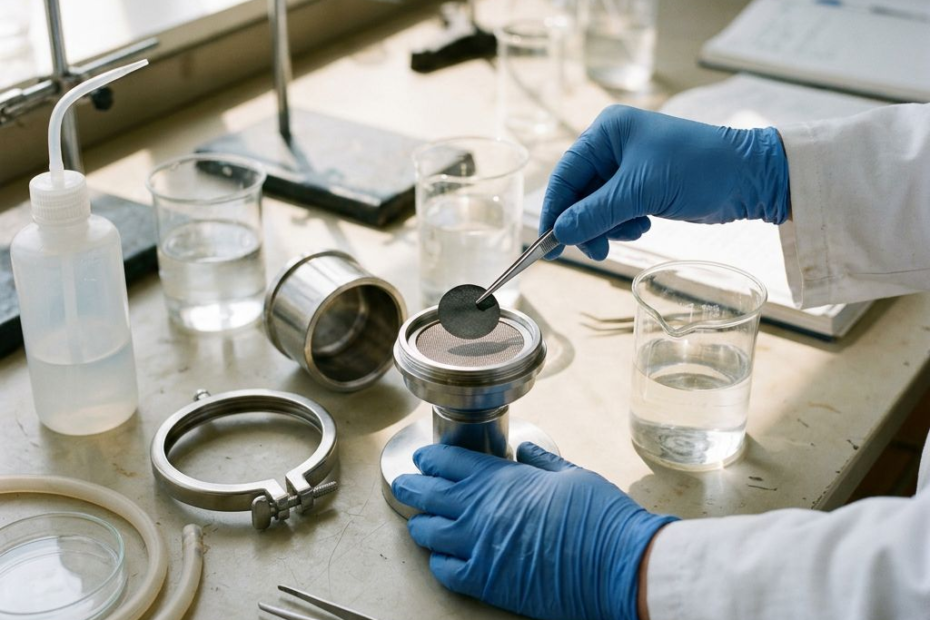
In Simple Terms Researchers made a very thin filter that lets water pass while holding back several antibiotics. They added tiny molecules that open up paths through the filter and help keep water from damaging…
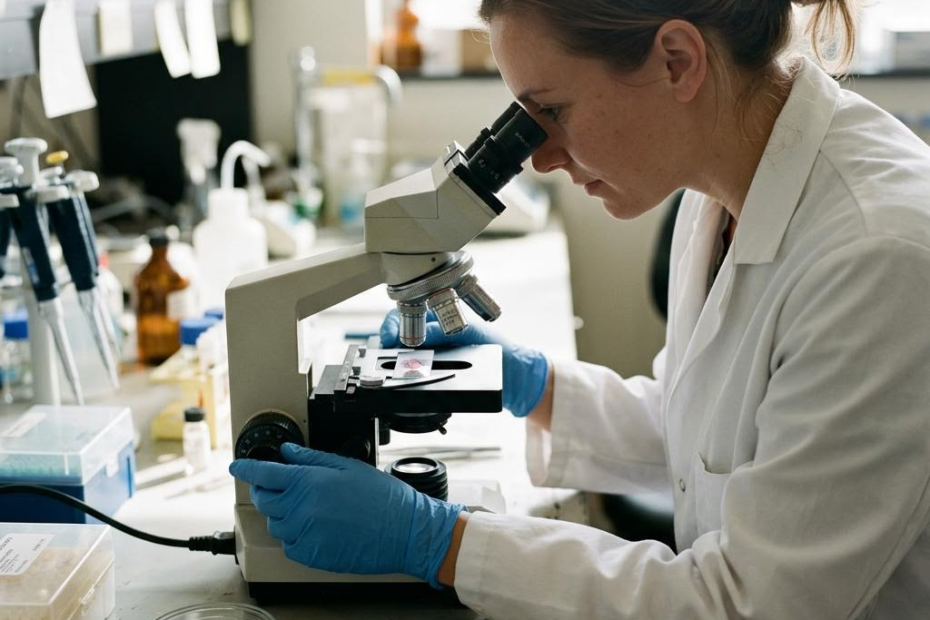
In Simple Terms Sour food does more than send a sour signal to your brain. Cells on your tongue can release a chemical that quiets some nearby taste signals, including signals for sweetness. A study…
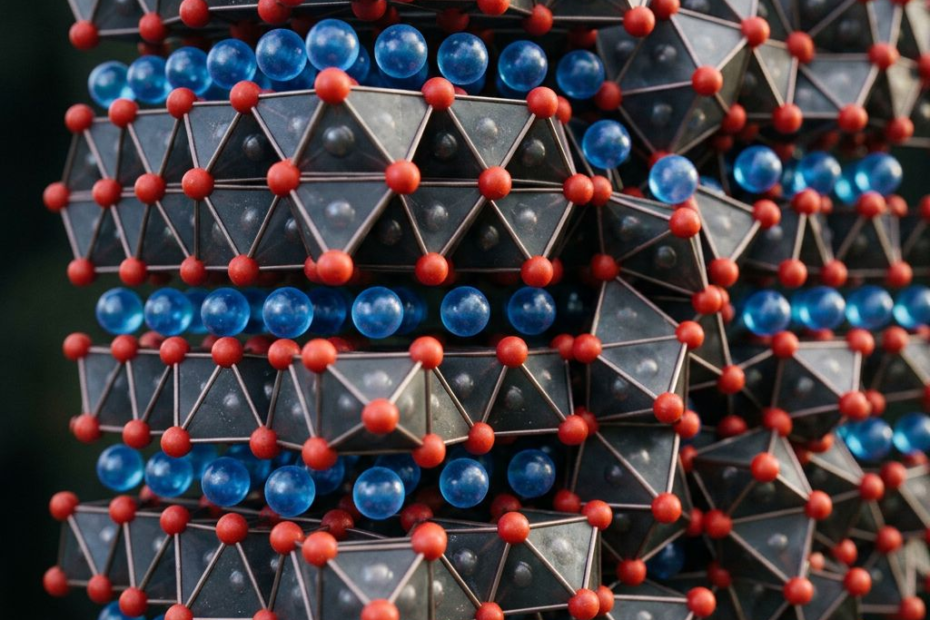
In Simple Terms Some sodium-battery materials can become damaged when charged to high voltages. Researchers found that balancing how different ingredients affect the material may help it hold its shape as sodium moves in and…
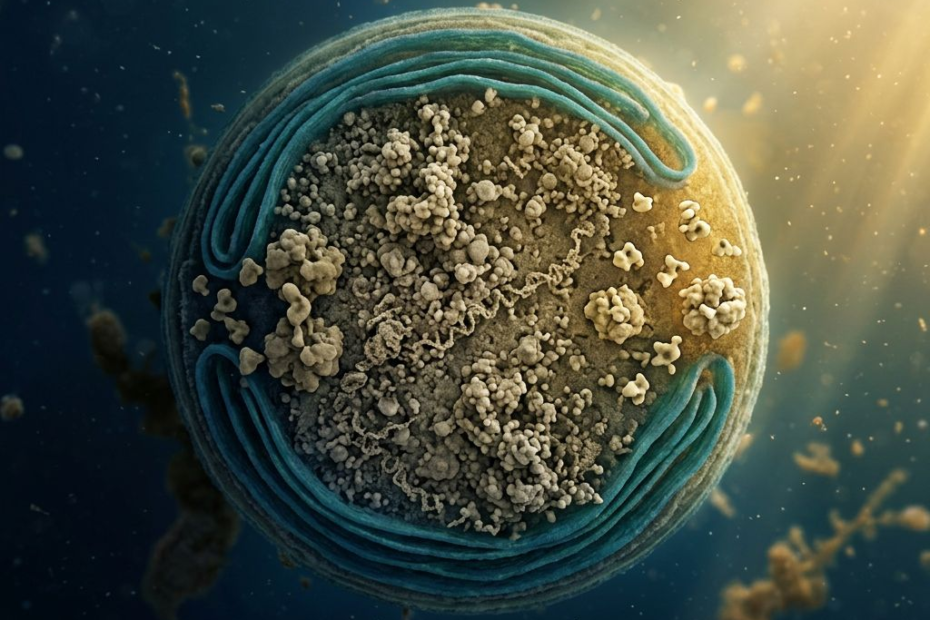
In Simple Terms Scientists built a computer model of a tiny sun-powered bacterium to see how its parts work together as light changes. The model showed how one protein helps pause the cell’s growth-related work…

In Simple Terms Researchers have created a new material from nitrogen and hydrogen, but only by squeezing them under enormous pressure. Hydrogen atoms help hold long nitrogen chains together, revealing a new way these elements…
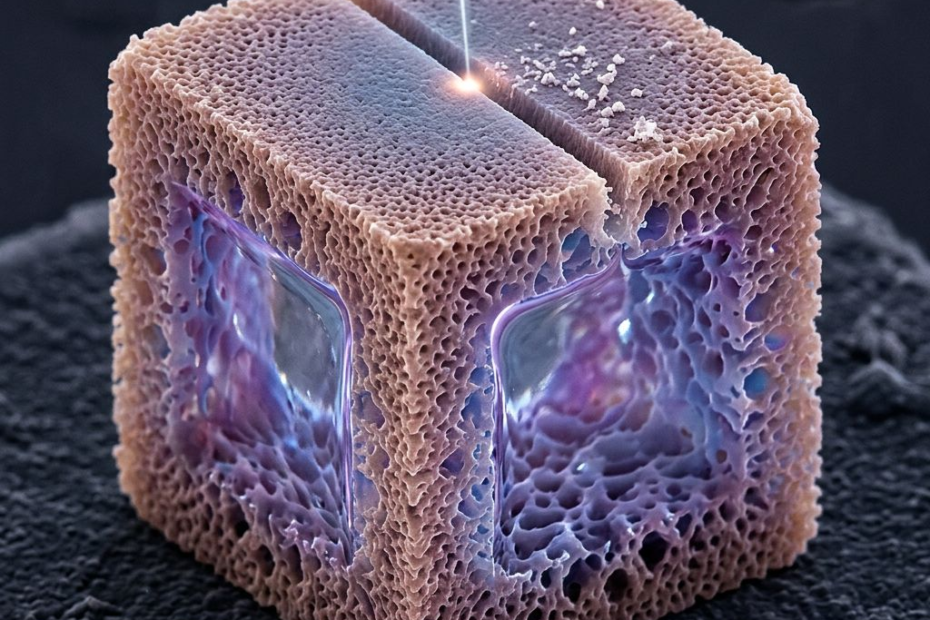
In Simple Terms Some materials have tiny pores that make them useful, but also fragile when scientists try to carve them into small shapes. Researchers filled some of those pores with special liquids, which helped…

In Simple Terms Researchers found that adding a specially modified rubber to a heat-resistant plastic can make thin insulation films much less likely to crack when bent. The blend also kept an electrical-insulation advantage seen…
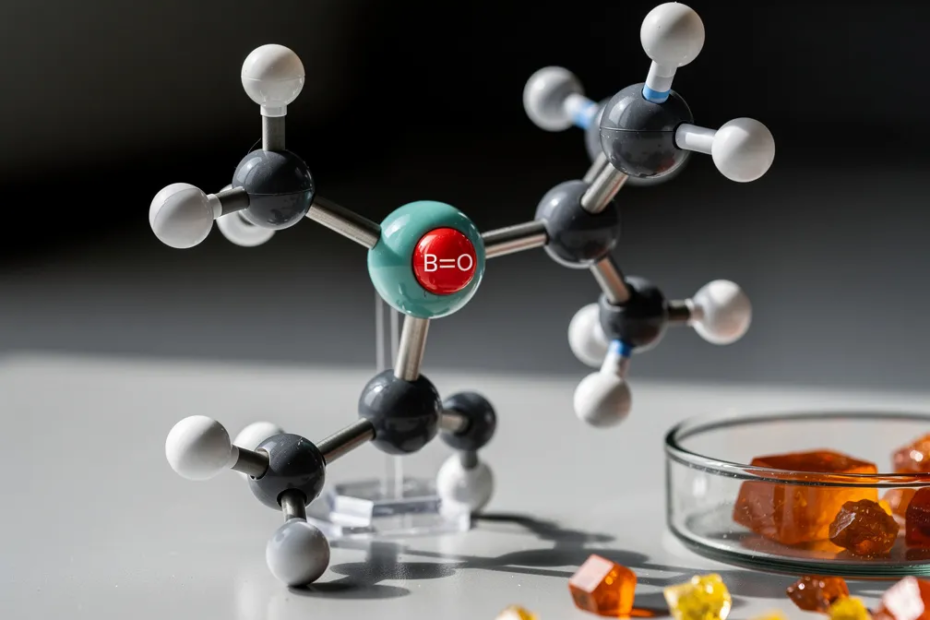
In Simple Terms For more than 60 years, scientists struggled to make and keep a rare kind of tiny structure that joins boron and oxygen. Now, an unexpected reaction has produced three examples that researchers…
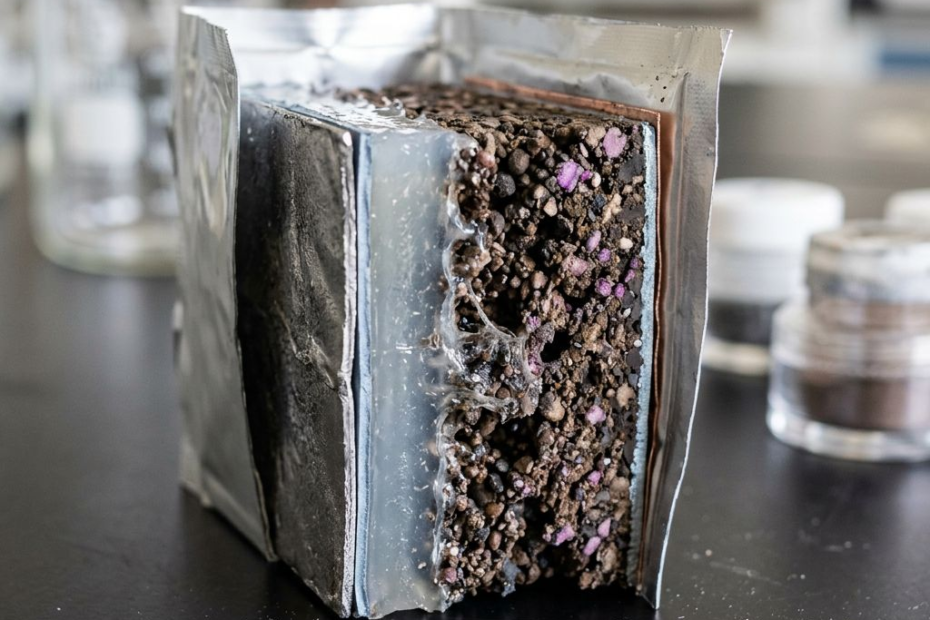
In Simple Terms Researchers have found a way to make a battery’s liquid ingredients turn into a firm gel at room temperature, instead of heating them intensely. That gentler process may help protect the battery’s…
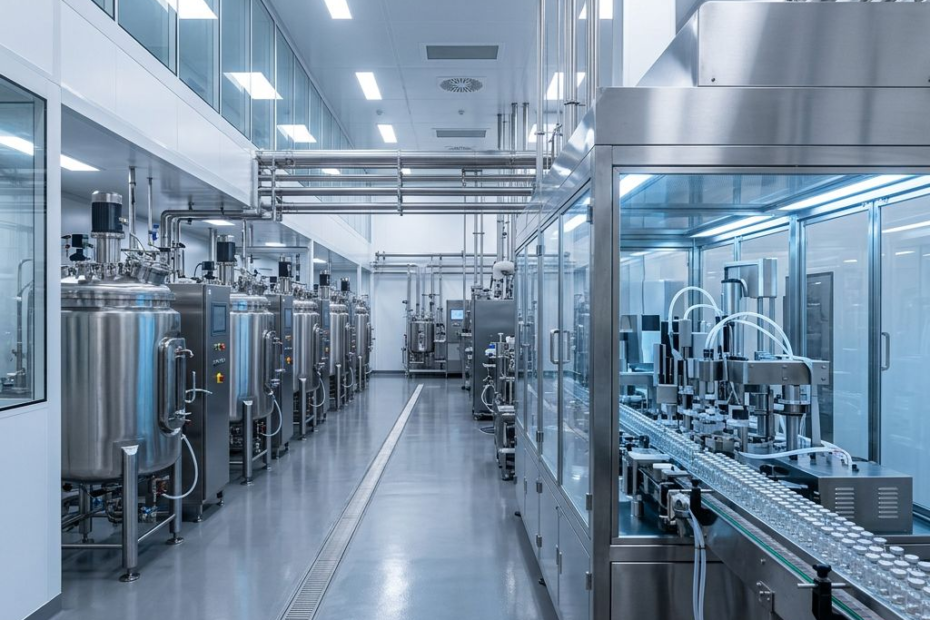
In Simple Terms Lonza plans to buy several U.S. drug-making sites from Merck, giving it more facilities, employees, and specialized skills. The deal would expand Lonza’s ability to help drug companies develop and manufacture advanced…
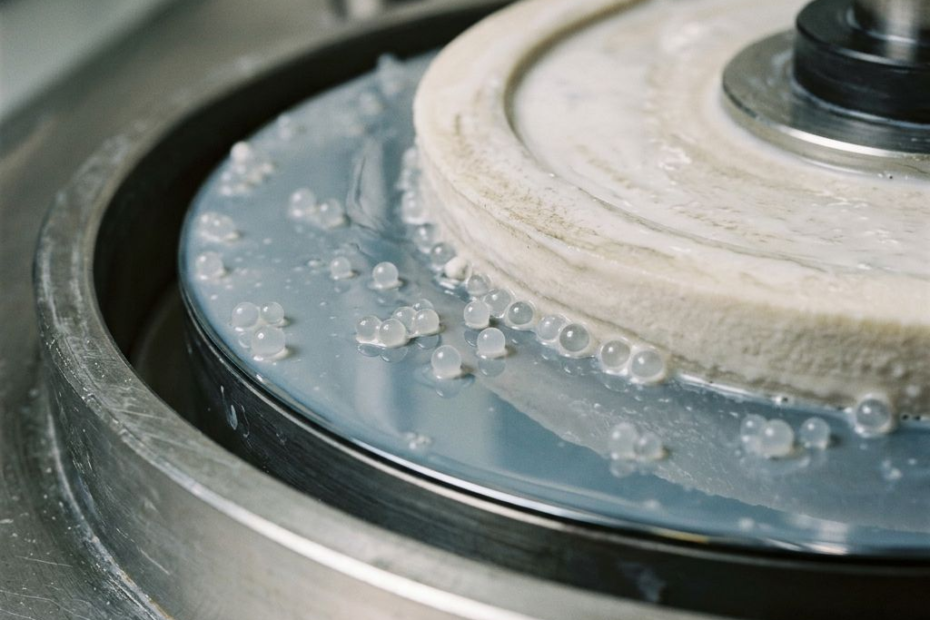
In Simple Terms Silicon carbide is useful in powerful electronics, but its hard, resistant surface is difficult to smooth. Researchers designed a copper-containing material that helped a polishing liquid remove it much faster while leaving…

In Simple Terms A rocky planet 280 light-years away is so close to its star that a year there lasts just 11 hours. New observations suggest it may have an atmosphere and bright clouds that…
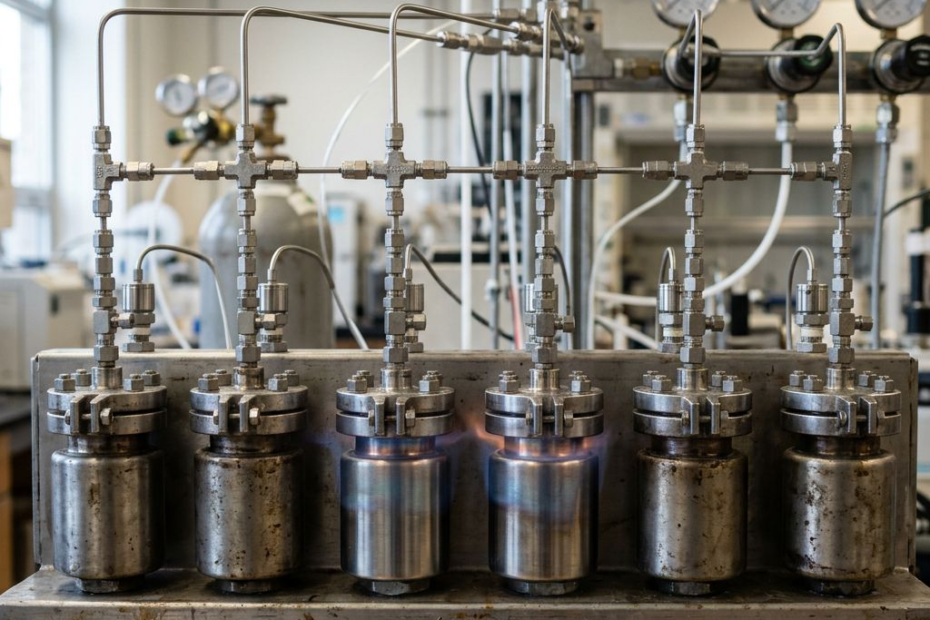
In Simple Terms H.E.L has announced a machine that lets researchers run several chemical tests at once without forcing them all to use the same settings. Each container can have its own gas, heat, pressure,…
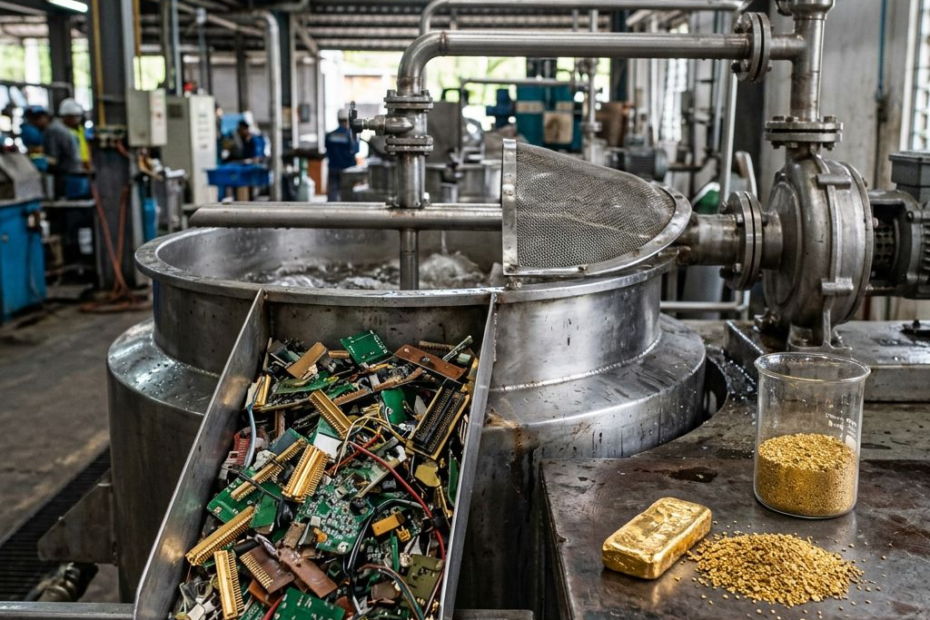
In Simple Terms Two companies plan to build a facility in Penang that will recover valuable metals from used industrial materials and electronics. It is expected to start work in April 2029 and make very…
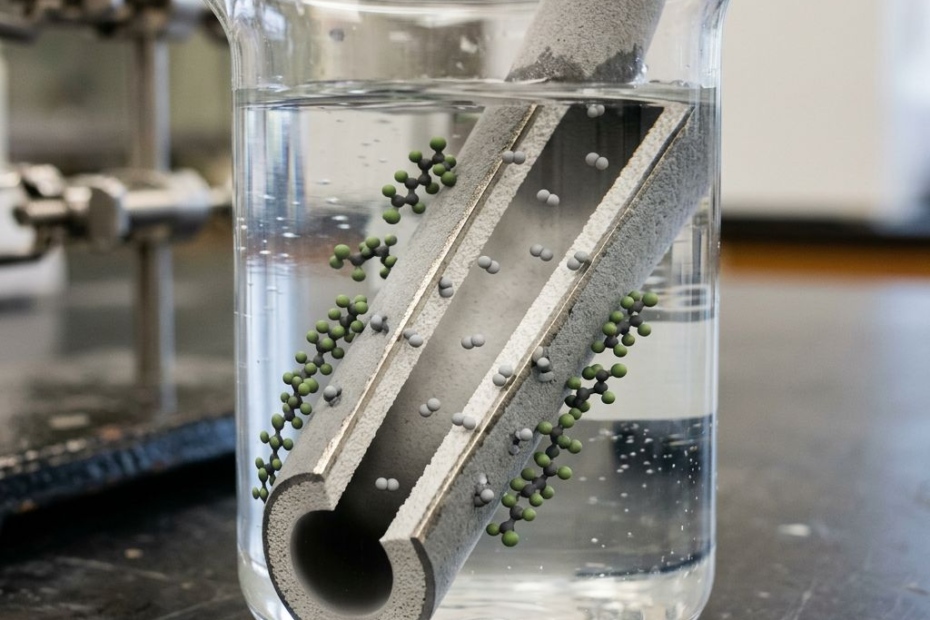
In Simple Terms Researchers have built a special membrane that captures six types of PFAS in water and helps break some of them down instead of simply shifting them into another form of waste. In…
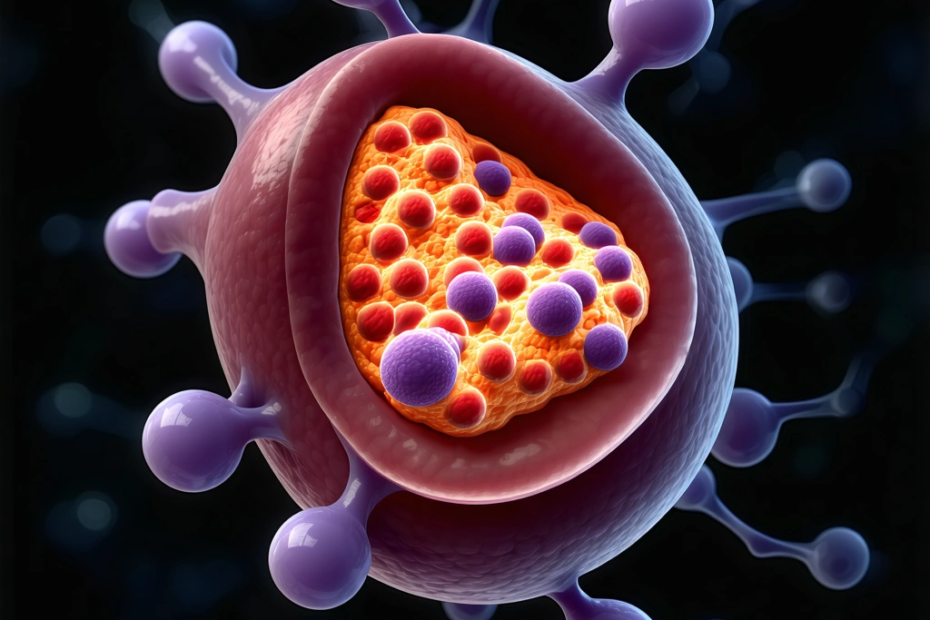
In Simple Terms Imagine a new way to deliver insulin directly to the liver, making it easier to control blood sugar and reduce severe low blood sugar episodes for people with Type 1 diabetes. This…

In Simple Terms This article is about a young girl who invented a device that uses water movement to generate electricity. The device can light small bulbs using simple, recycled materials and aims to help…

In Simple Terms This article explains how new cancer drugs work. They combine the precision of antibodies with strong medicines to attack cancer cells directly. This approach reduces side effects and makes treatment more effective,…
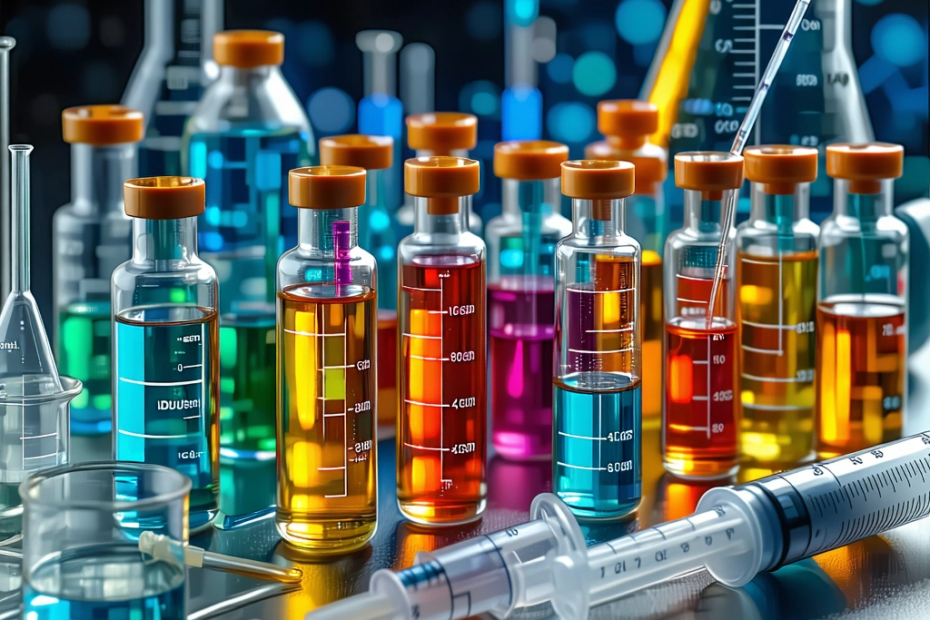
In Simple Terms Peptides are small proteins used in various treatments, but some are used without official medical approval, which can be risky. The U.S. government is considering allowing specialized pharmacies to make them, raising…

In Simple Terms Scientists have created a new cooling system that works better without using expensive rare elements. This new system cools things down 40% more efficiently and could make technology cheaper and more sustainable.…

In Simple Terms India plans to build new factories to make polyethylene, a material used in plastic products like bags and pipes. This will help reduce the need to import it and meet the growing…
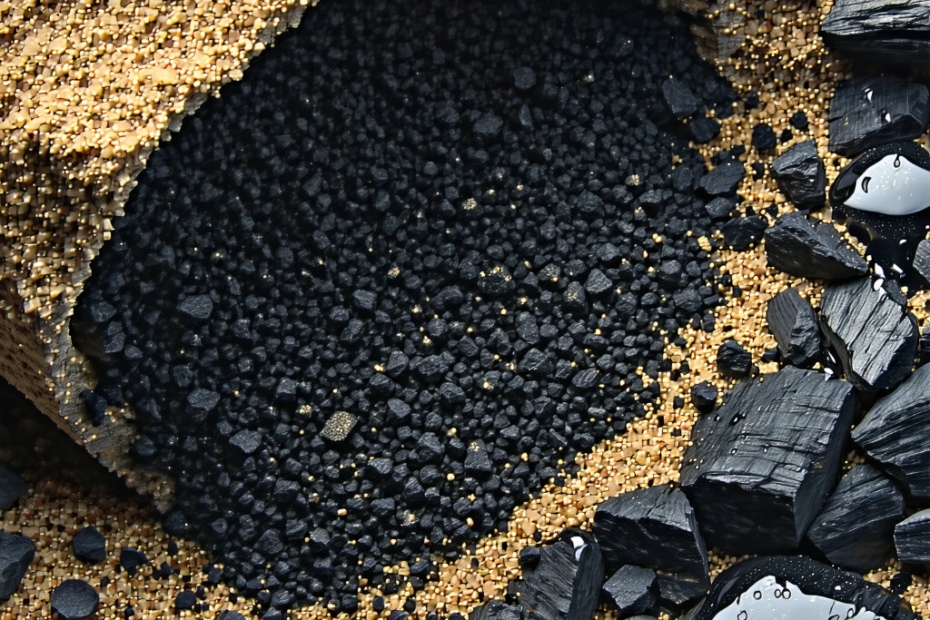
In Simple Terms Scientists have found a way to use waste from beer production to clean water. This new material works better than regular sand at removing bacteria, making drinking water safer and protecting underground…
In Simple Terms A Chinese startup is teaming up with a global pharmaceutical giant to create new medicines. They are using cutting-edge technology that makes drugs stick to and destroy harmful proteins in the body.…

In Simple Terms Plants and soil exchange carbon with the air, but extreme weather events like droughts and fires can disrupt this process. A new study shows that satellites can help track these changes, although…
In Simple Terms Scientists are exploring how to use proteins, which are natural parts of our bodies, to create new, advanced materials. These materials could be stronger and cheaper than what we use now, without…
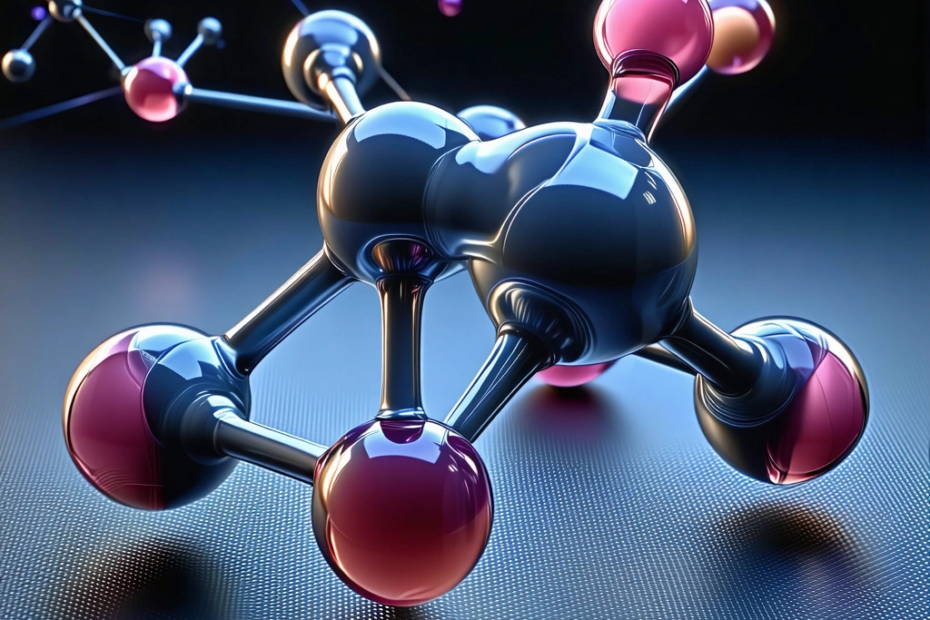
In Simple Terms Scientists Henry Kagan and Kenso Soai have discovered a way to create special molecules that are like our hands—one can’t be superimposed on the other. This breakthrough helps us understand how life…
In Simple Terms Scientists have discovered why some molecules exist in two opposite forms, like left and right hands. This discovery is crucial because many medicines rely on this special arrangement. Now, scientists can make…
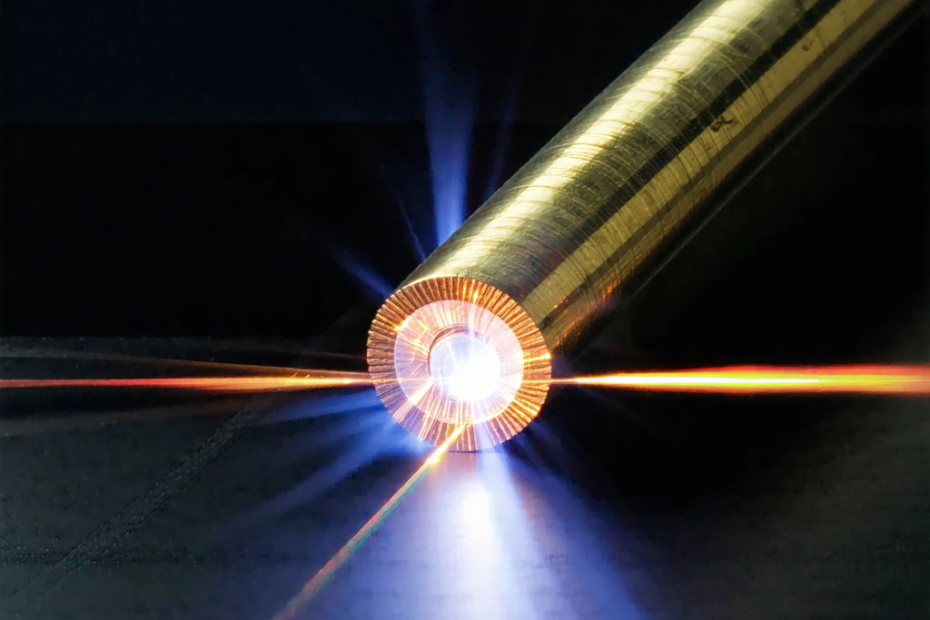
In Simple Terms Scientists are trying to find rare gases that exist in very tiny amounts. They use a method called Raman spectroscopy, which involves lasers, but it often struggles because the signals are weak.…
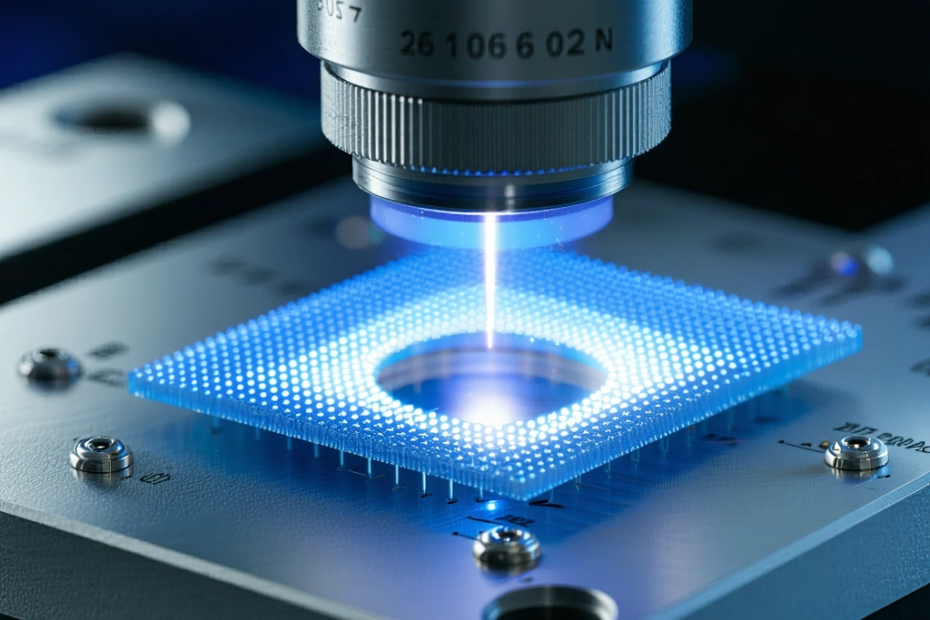
In Simple Terms The Notus system is a new technology that can quickly and accurately measure different gases like methane and carbon dioxide without needing to change tools. This makes it easier and cheaper for…

In Simple Terms Wiley has added a lot of new data to its collection of scientific information. This helps scientists figure out what unknown materials are in the samples they study. The data includes details…

In Simple Terms The Granodrum is a new machine that helps scientists and engineers understand how powders move. It’s faster and more accurate thanks to advanced technology and artificial intelligence. This helps them make better…

In Simple Terms Scientists are finding a way to use algae from wastewater to make new materials. They turn the algae into glue, which can be mixed with old fabrics to create new products. This…
In Simple Terms Scientists have discovered that RNA can form liquid-like droplets, which might have helped it survive Earth’s harsh conditions billions of years ago. These droplets could have allowed RNA to interact with other…
In Simple Terms Scientists have found a protein called SLC25A34 that helps control how our bodies burn a special type of fat to produce heat. This discovery could lead to new ways to improve our…
In Simple Terms Scientists have discovered that a protein called HER3, previously thought to be unstable, actually forms stable pairs. This finding could help create new cancer treatments. Understanding how these proteins behave, especially when…
In Simple Terms Merck is working with a company called SciBrunch to create a new drug that targets a specific genetic mutation causing cancer. This drug aims to improve treatments for cancers like pancreatic, lung,…
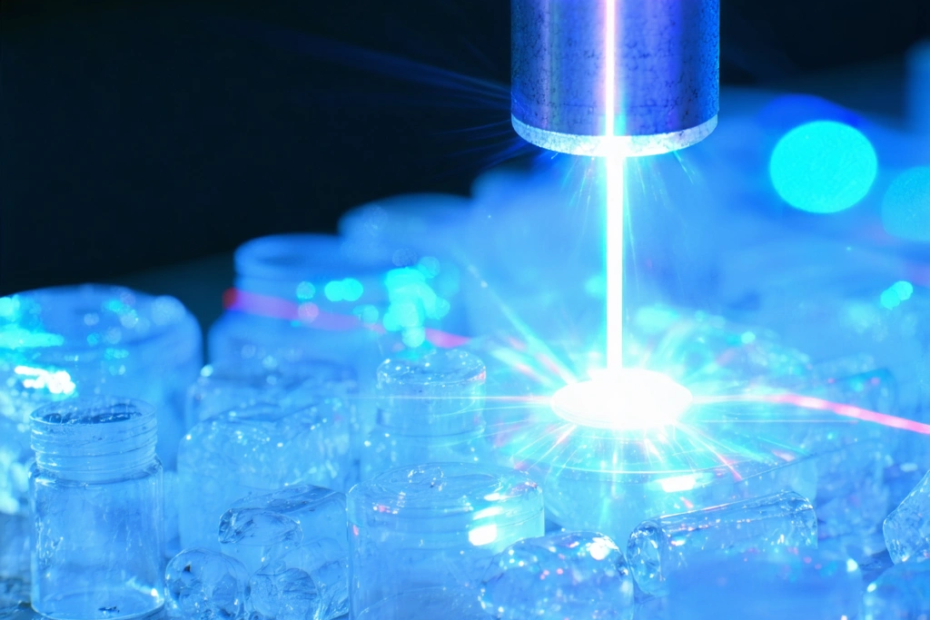
In Simple Terms This article discusses a new method for sorting plastic waste using artificial intelligence and laser technology. The goal is to make sorting faster and more accurate, even when factors like the shape…

In Simple Terms Scientists have found a way to use household waste, which usually can’t be recycled, to make strong and biodegradable materials. These new materials can be used in industries instead of sending the…

In Simple Terms Scientists have found rare chemicals in cannabis leaves, which are usually discarded. These chemicals might be useful for medicine. Researchers in South Africa discovered these new compounds, opening up possibilities for new…
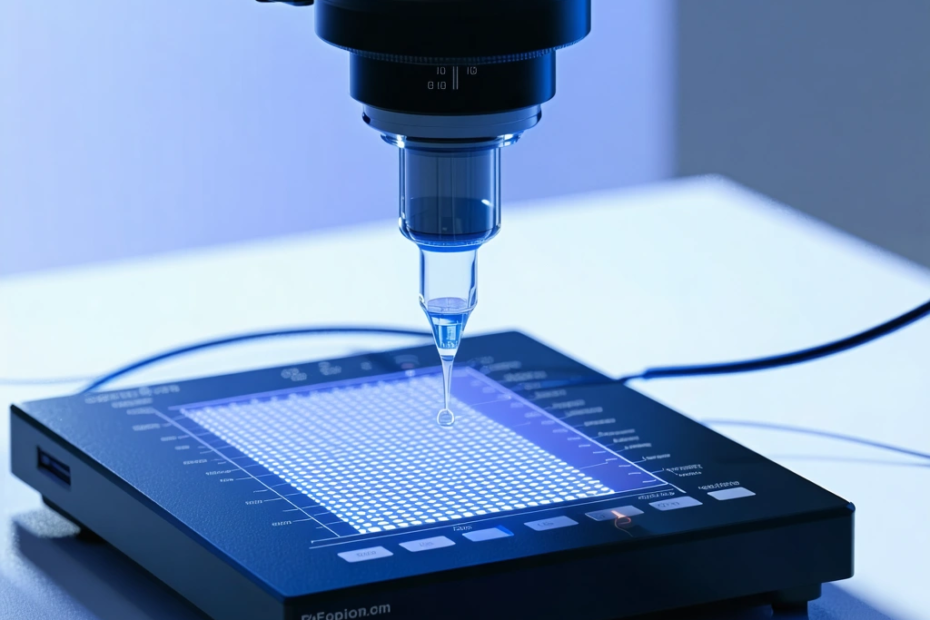
In Simple Terms Two companies have launched new tools that make it easier and faster to study materials. These tools help scientists understand the size and makeup of particles using regular lab equipment, which means…

In Simple Terms There’s a really old light bulb in a California fire station that has been shining since 1901. Even with all the new technology around it, this bulb just keeps going. People aren’t…
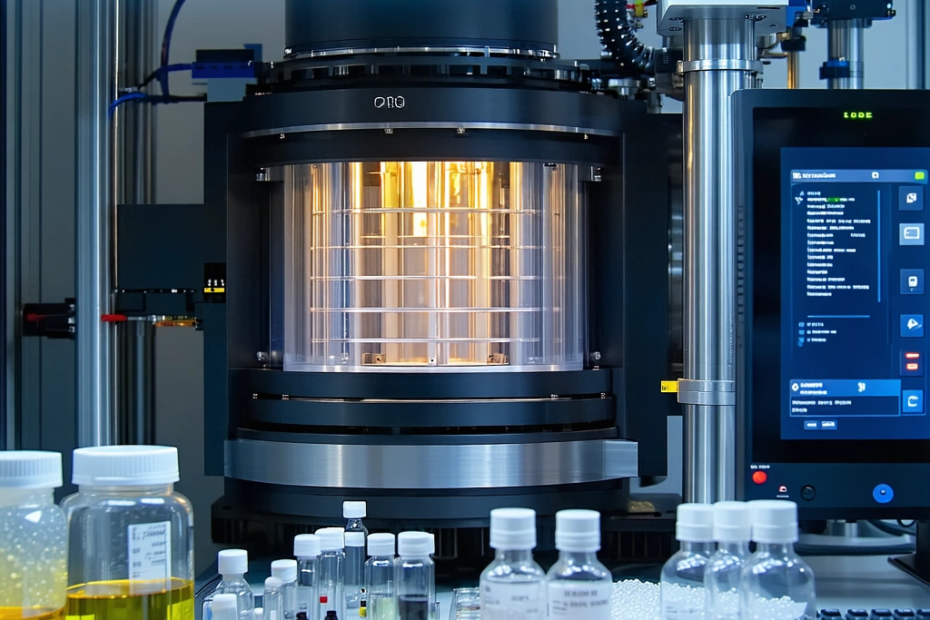
In Simple Terms A new device from LECO makes it easier and quicker to find carbon and moisture in materials. It doesn’t need complicated preparation, saving time and effort. This innovation is a big step…

In Simple Terms In Antarctica, there’s a strange waterfall called Blood Falls. It looks red, but it’s not blood. It’s salty water with a lot of iron in it. When the iron meets air, it…
In Simple Terms Scientists are learning from nature to turn industrial waste into useful materials. By studying how sea sponges and plants build structures, they aim to create eco-friendly methods to recycle waste. This could…
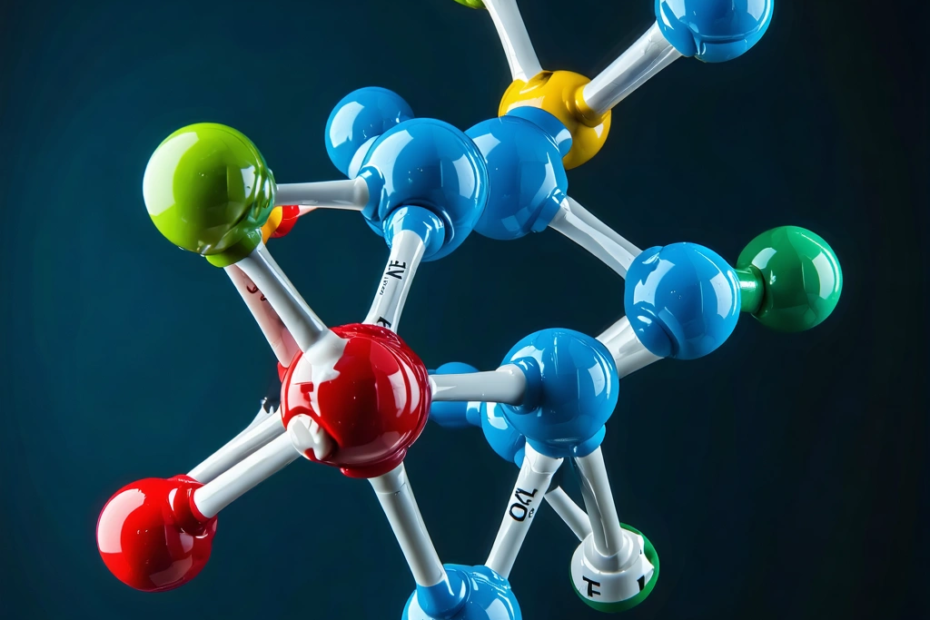
In Simple Terms This story is about a chemical molecule initially created to treat cancer but failed. Years later, it was successfully used to treat AIDS. It shows how science can find new solutions with…

In Simple Terms AI is helping scientists solve math problems quickly, but it’s struggling with more complex fields like medicine and chemistry. This is because biological experiments can’t be sped up as easily. While AI…
In Simple Terms A company called Covestro is working on a new way to recycle strong rubber materials used in various industries. This new method helps reuse old materials, reducing waste and saving natural resources.…

In Simple Terms Cigarette butts are a huge environmental problem, but scientists have found a way to use them to make bricks. These bricks are lighter and require less energy to produce. This could help…

In Simple Terms Scientists have figured out how to control tiny holes in a material called hexagonal boron nitride, also known as ‘white graphene.’ By using electron beams and adding oxygen, they can change the…

In Simple Terms Scientists at Virginia Tech have created a new type of plastic that could change how we package food. This plastic is strong, flexible, and can be easily recycled or broken down. It…

In Simple Terms Scientists in Zurich have found a clever way to use whey, a byproduct from cheese-making, to extract gold from old electronics. Instead of throwing whey away, it can be turned into a…

In Simple Terms Milorganite is a natural fertilizer made from sewage waste in Milwaukee. For nearly a century, they’ve used tiny organisms to turn waste into safe plant food. This clever process reduces waste and…

In Simple Terms Novo Nordisk stopped testing a new drug that was supposed to help heart health by fighting inflammation. The tests showed the drug didn’t work as hoped, so the company decided to stop…

In Simple Terms Sorbitol is a sweetener that many people think is a healthy alternative to sugar. However, new research shows it might not be as safe as we believe, as it can turn into…

In Simple Terms Scientists in Florida used a special dye to track how water moves underground. They put the dye in a lake and found it 30.6 kilometers away in a spring after 35 days.…

In Simple Terms A British company has discovered a new way to make materials that can withstand high temperatures. These materials are lightweight and strong, making them perfect for use in cars and airplanes. The…

In Simple Terms In Western Australia, strange circles in the ground might be releasing hydrogen gas from deep underground. This is important because hydrogen could be a clean fuel for the future. These circles could…

In Simple Terms At a big medical conference in Munich, scientists found that a new heart drug didn’t work as well as hoped. This is worrying for other companies making similar drugs. The success or…

In Simple Terms Bees have a clever way to protect their queen from harmful chemicals. Worker bees clean most of the pesticides from their food before storing it, but some still reach the queen’s eggs.…

In Simple Terms Comet 3I/ATLAS is a rare visitor from another star system, giving scientists a chance to study its organic molecules. It passed by the sun, revealing compounds like methanol and hydrogen cyanide. This…
In Simple Terms Scientists have discovered a new method to create special materials by combining metals and organic substances using a chemical called cyanide. This process mimics ancient Earth conditions and could help us understand…
In Simple Terms Scientists have found a way to make medicines safe for pregnant women by ensuring they don’t harm the baby. They did this by combining antibodies with a special protein, so the medicine…
In Simple Terms Sodium nitrite is a chemical used in many industries, but if misused, it can be deadly. In the UK, there’s been a worrying increase in suicides linked to this substance. This has…

In Simple Terms Scientists are testing a substance from magic mushrooms to help people stop using cocaine. In a new study, they found that a single dose of this substance, combined with therapy sessions, might…
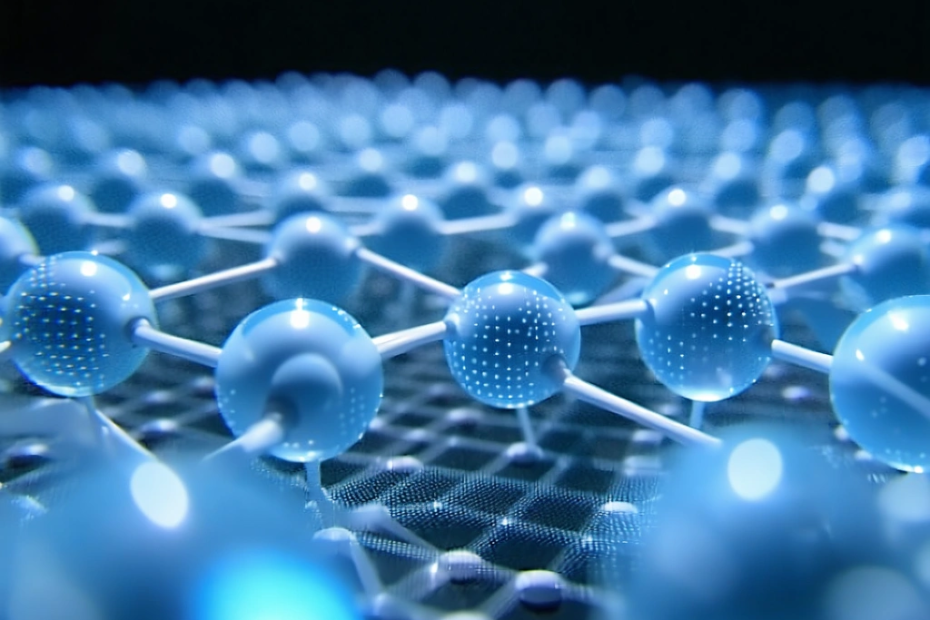
In Simple Terms Scientists have found a new way to study how electricity flows through materials by using super-cooled potassium atoms. This research helps us understand why metals resist electricity and could lead to better…

In Simple Terms When a nuclear explosion occurs, it can create new materials that have never been seen before. Scientists found a unique metal at Hiroshima that formed in a way we don’t usually see.…

In Simple Terms Scientists are looking for new ways to find intelligent life beyond Earth. Instead of just searching for advanced technology, they’re considering other signs of intelligence, like changes in the environment caused by…

In Simple Terms Scientists have found that the sun has more silver than they previously thought. This discovery helps us understand how heavy elements form in stars and spread across the universe. It might change…

In Simple Terms Scientists were puzzled because the sun seemed to have less silver than expected. Using computers, they found that silver was there all along, just hidden due to how atoms absorb light. This…

In Simple Terms Scientists have discovered that some distant planets, called “sub-Neptunes,” might be so hot that their surfaces turn into oceans of lava. This happens because special clouds trap heat on the planet. These…

In Simple Terms When spaceships land on the moon, they might release gases like methane, which could disrupt important scientific evidence. This is a concern because it might make it harder for scientists to learn…
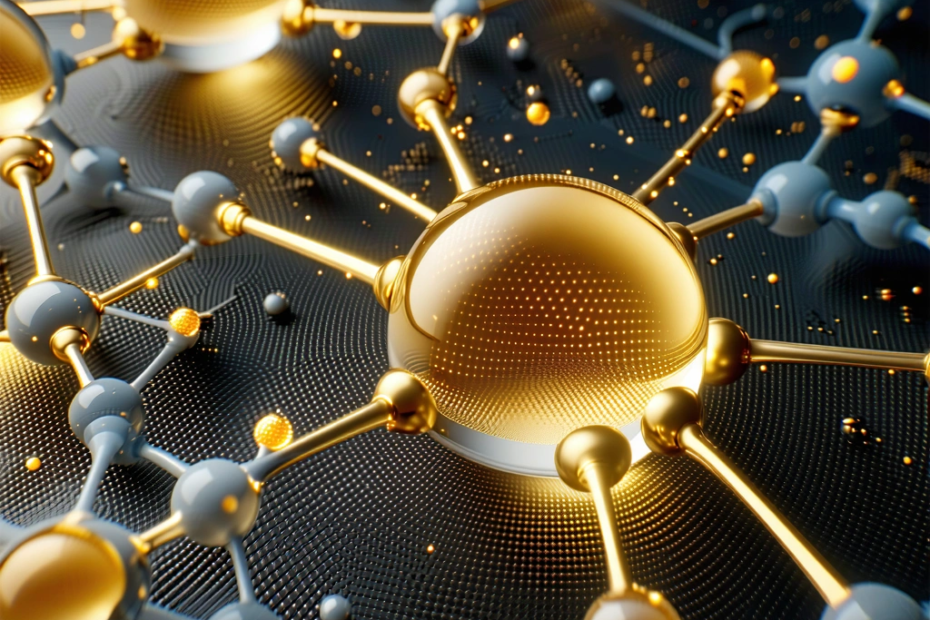
In Simple Terms Scientists have discovered that gold can rearrange its atoms on the surface, making it very resistant to reacting with oxygen. This is why gold stays shiny for a long time. This finding…
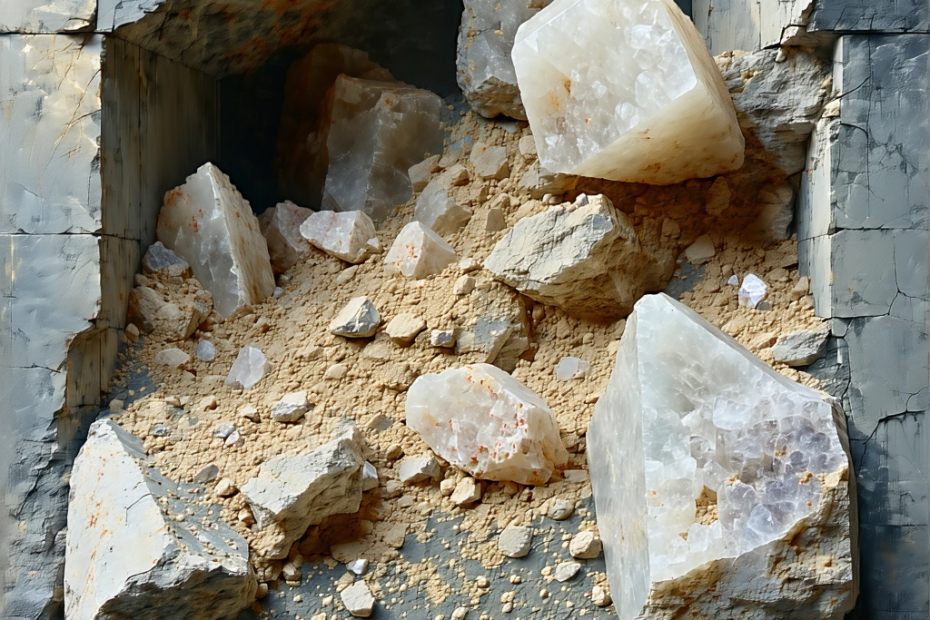
In Simple Terms Roman concrete, made thousands of years ago, is still strong today. Its unique ingredients allow it to repair itself over time. Scientists are studying these ancient materials to improve modern concrete, hoping…

In Simple Terms The James Webb Space Telescope is helping scientists learn how the first galaxies in the universe formed. Instead of looking at faraway galaxies, which are hard to study, scientists are examining a…

In Simple Terms Scientists have found a type of sugar in a massive gas cloud in our galaxy. This sugar is similar to what we find in red fruits like berries. Discovering it in space…

In Simple Terms Eating vegetables is good for your health because they contain nitrates, which can help lower blood pressure. A new study found that chewing sugary gum might make this process even better. However,…

In recent months, food poisoning caused by the bacterium Clostridium botulinum has become a growing concern following cases linked to infant formula. Despite efforts to detect contamination, the challenge lies in identifying this dangerous bacterium…
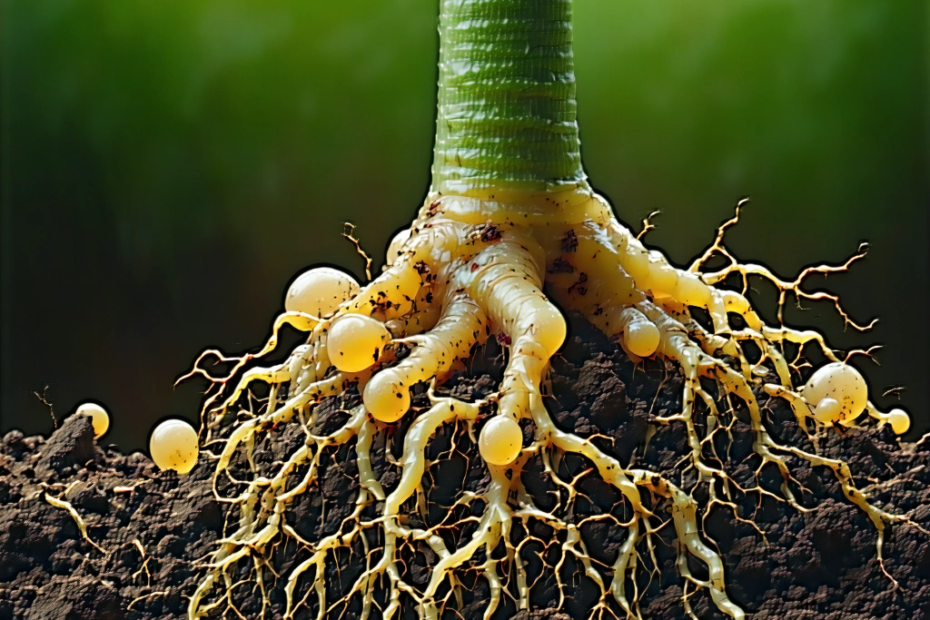
In the ever-changing world of agriculture, soil salinity has become an increasing threat faced by farmers globally. However, recent research conducted at the University of East Anglia offers a new glimmer of hope. A team…

Butter and margarine have long held a special place in kitchens around the world, serving as essential ingredients in cooking and baking. But the question remains: which one is better for health and culinary use?…
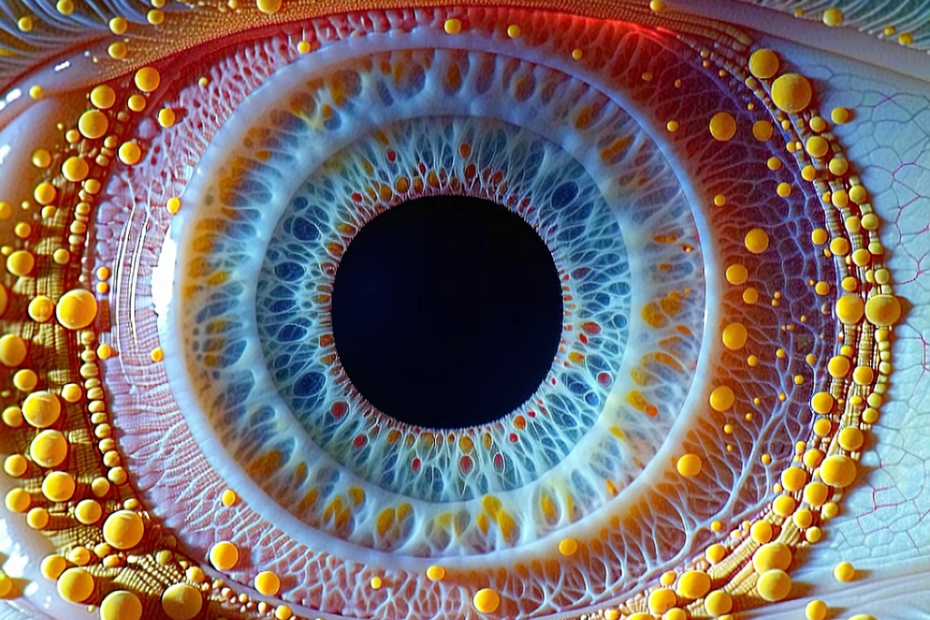
Cone opsins are a crucial component of the human eye’s daytime vision system, allowing us to perceive thousands of colors and track fast-moving objects with precision. However, defects in these receptors can lead to serious…

In the world of nutrition, fats remain a hot topic of scientific research. While many people focus on the amount of fat consumed, it turns out that the type of fat may be the most…

The iconic Lincoln Reflecting Pool has unexpectedly become the center of attention due to its transformation into a vivid green color, sparking debate and curiosity about the scientific reasons behind this change. As efforts are…

Using the James Webb Space Telescope, scientists have discovered that the planet known as the “Pink Planet” holds a scientific surprise within its atmosphere. This surprise is the presence of salty clouds, offering us a…

Growing evidence suggests that the preservatives we consume daily may have negative effects on our heart health. A recent study published in the European Heart Journal provides an in-depth look at this controversial topic, highlighting…
Recent research suggests that chemicals used in plastic manufacturing may influence human behavior, starting from the earliest stages of life. Although the study was conducted on rodents, the findings hint at potential effects on humans,…
As the use of weight loss drugs continues to rise, new health concerns are emerging about the safety of medications known as GLP-1 receptor agonists. Recent research indicates that these drugs may lead to serious…

In a groundbreaking move in the fight against drugs, researchers at the Scripps Research Institute are working on an experimental vaccine that could block fentanyl from reaching the brain. This effort is a response to…

The United States has recently introduced a groundbreaking new ingredient in the world of sunscreens. The U.S. Food and Drug Administration has added Bimotrizinol to its list of approved active ingredients for over-the-counter products. This…

Imagine seeing the world through a lens that reveals colors in an entirely new way. This is what a team of scientists, led by researcher Roxana Bojak at Los Alamos Laboratory, has achieved by developing…

In the vast realm of space, Comet 3I/ATLAS emerges as one of the extraordinary visitors to our solar system, carrying new chemical secrets that reveal diverse astronomical environments. Recent discoveries indicate the presence of methane…

In a world where cancer challenges the capabilities of modern medicine, a new experimental drug called Daraxonrasib emerges as a promising hope in battling previously untreatable types of cancer. This drug is notable for its…

In the rapidly advancing world of science, researchers are constantly striving for a deeper understanding of material composition and transformations. A recent study has successfully captured an intermediate structural state during the transition between two…

The fossil fuel industry is experiencing a significant shift in its production strategies, with major companies now expanding their operations into plastic manufacturing from petrochemicals. This shift comes at a time when environmental and health…

GLP-1 medications like Ozempic and Zepbound are gaining traction in the medical community for their multifaceted health benefits. Beyond just regulating blood sugar levels, these drugs are showing promise in weight management, and improving heart,…

Scientists at the Massachusetts Institute of Technology have made new discoveries that might explain why young people are more susceptible to cancer when exposed to certain chemicals. In a recent study, experiments on mice showed…

In the realm of nutrition and health, a new name is stirring up a storm of debate: peptides. These tiny molecules, composed of short chains of amino acids, are capturing the attention of everyone from…

In the realm of advanced technology, attention is turning to artificial intelligence as a potential tool to revolutionize science. But can AI learn how to make precise scientific decisions through board games? Challenges Facing AI…