Skip to content

Space

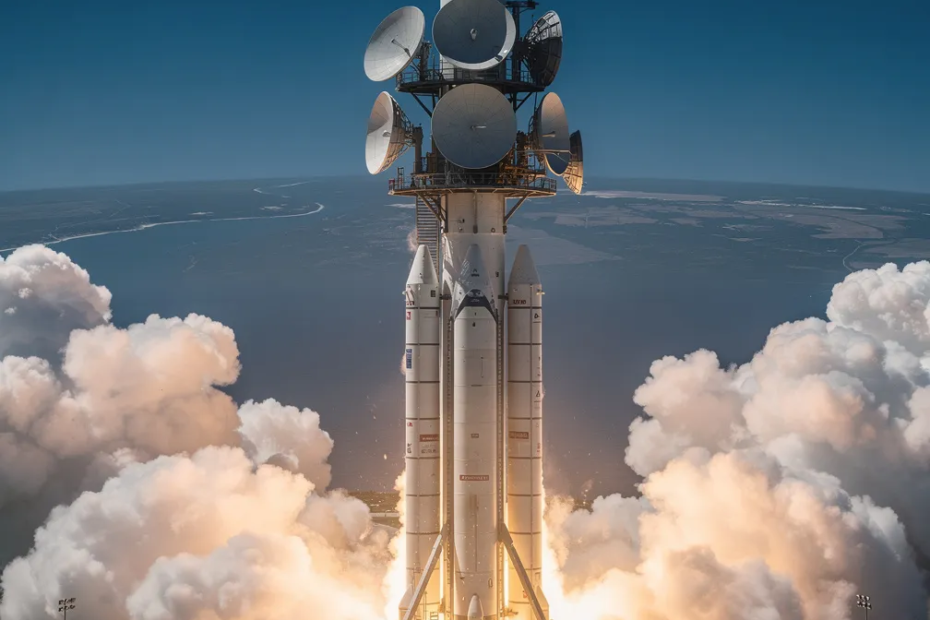
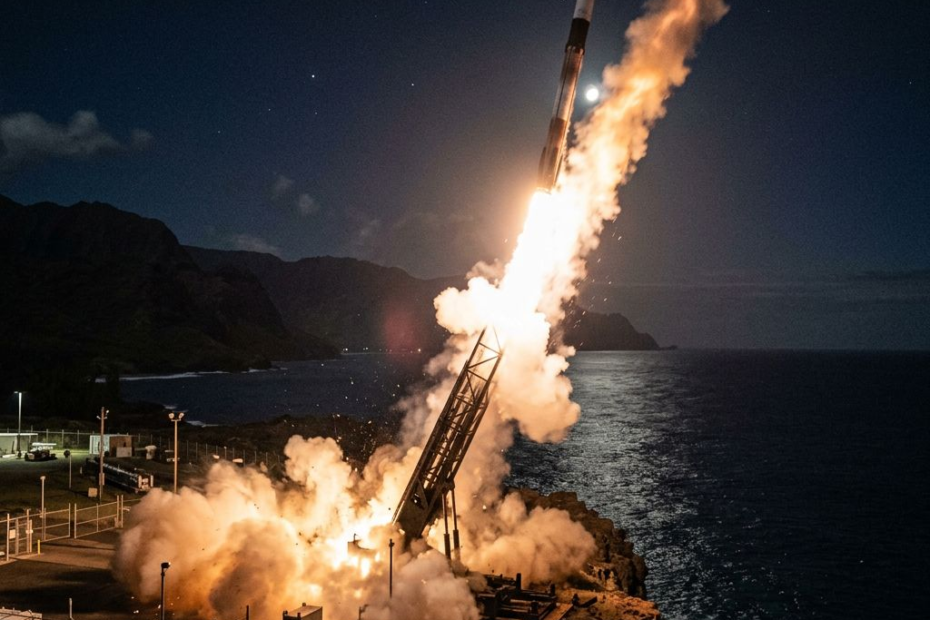
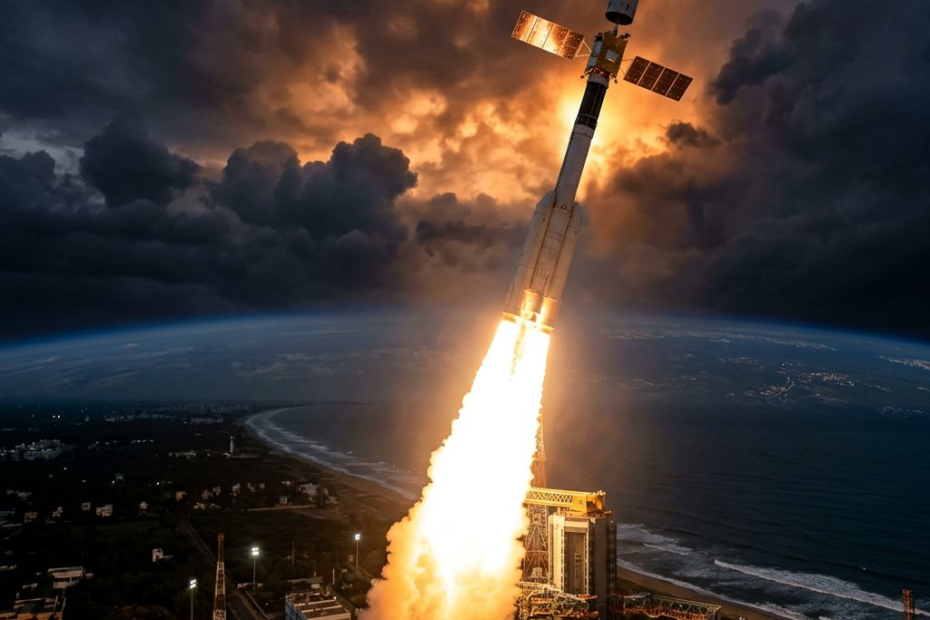
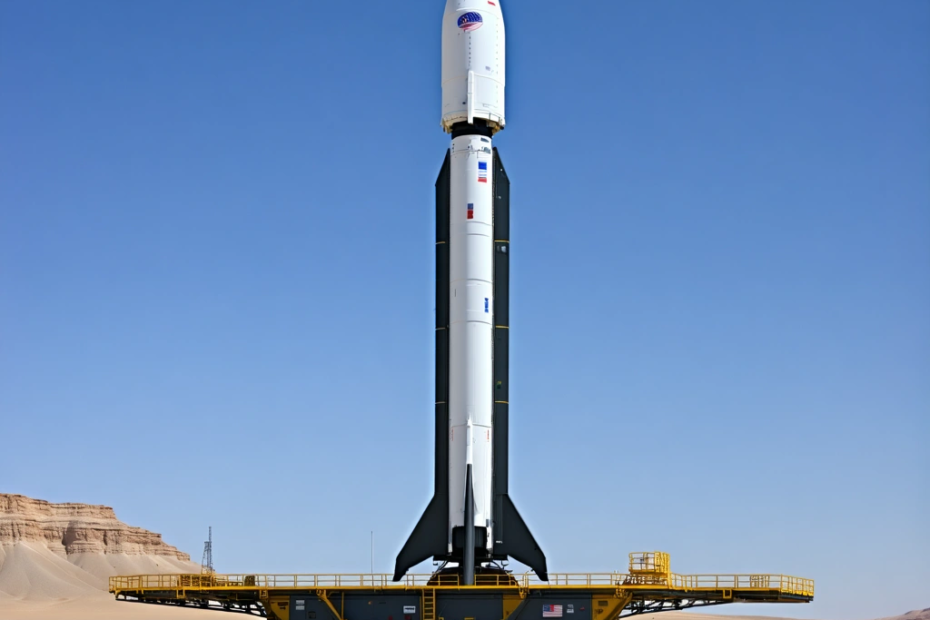
The Rocket That Lost 13 Satellites in Under a Minute

The Rocket That Lost 13 Satellites in Under a Minute

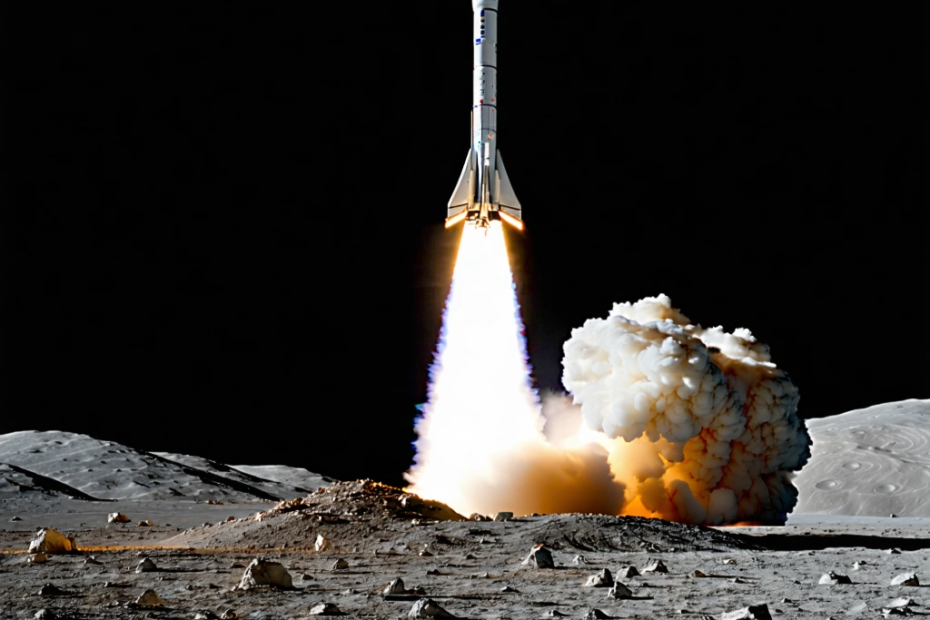
In Simple Terms Super Strypi was a U.S. rocket designed to send small satellites into space quickly and at lower cost. It lost control shortly after launching in Hawaii in 2015, destroying all 13 satellites… 
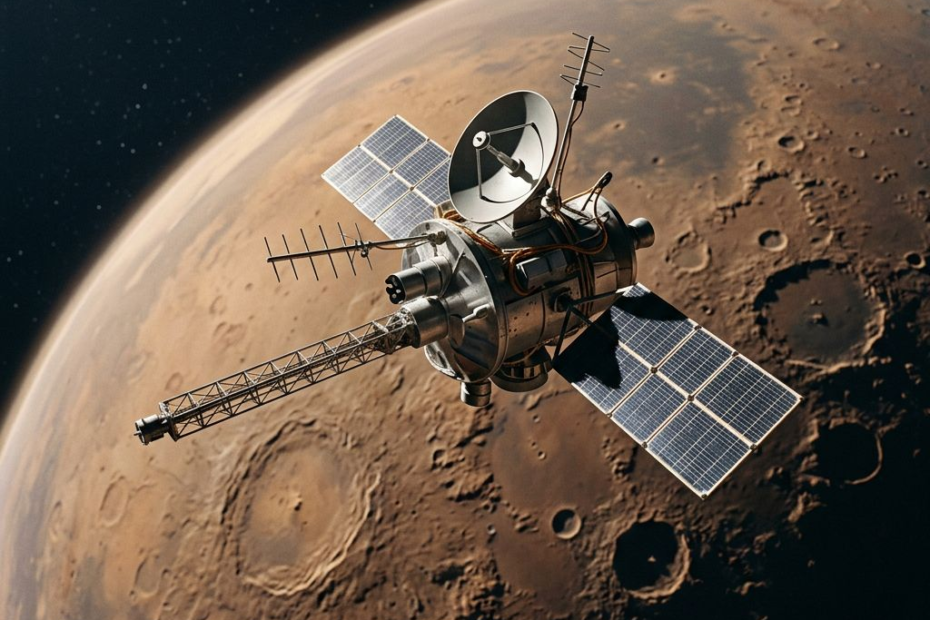
It Reached Mars—but Earth Lost Its Signal

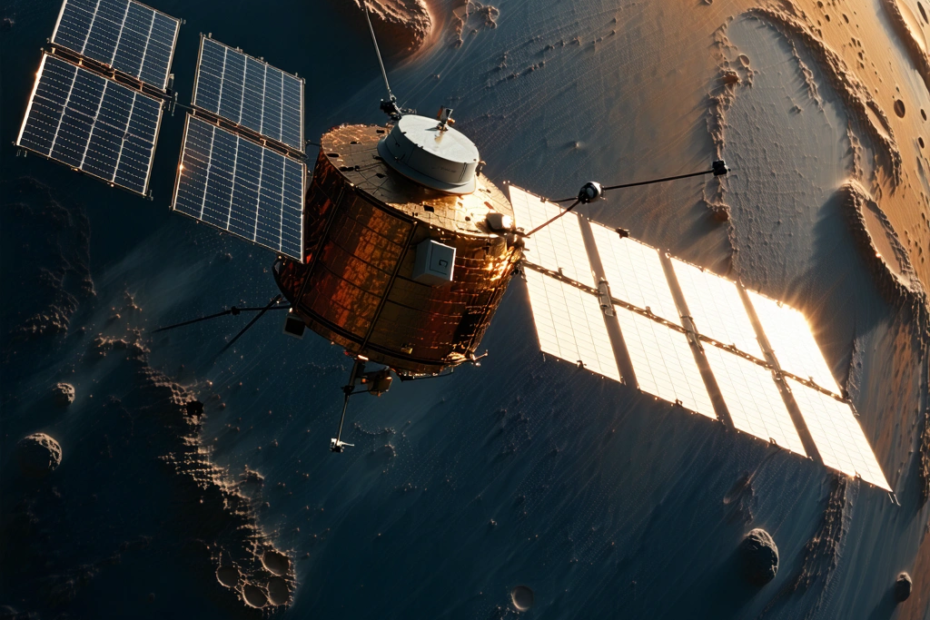
It Reached Mars—but Earth Lost Its Signal

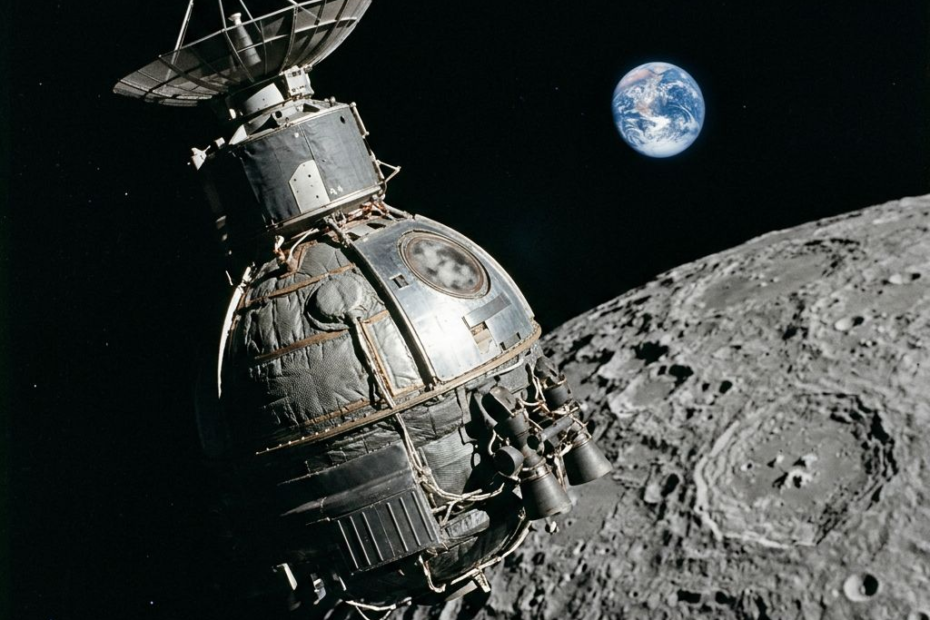
In Simple Terms The Soviet spacecraft Mars 1 set out for Mars in 1962 and eventually passed the planet. But a leak damaged its ability to stay pointed in the right direction, and it lost… 
How Space Exploration is Transforming Life on Earth

How Space Exploration is Transforming Life on Earth

In Simple Terms This article explains how space research can improve our lives. Scientists are sending experiments to the International Space Station to study things like solar energy and new medical treatments. These studies could… 

Artemis II: A Journey Beyond Science to Unite Humanity

Artemis II: A Journey Beyond Science to Unite Humanity

In Simple Terms Astronauts on the Artemis II mission traveled to the Moon and shared their experience with us back on Earth. They received the Stephen Hawking Medal for their efforts to make science accessible… 

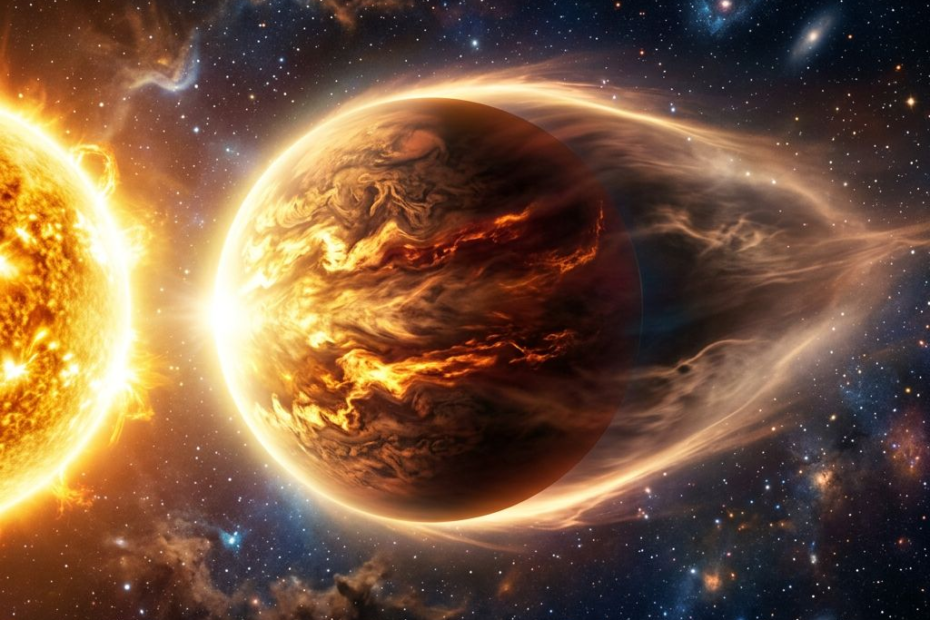
Unveiling the Mysteries of WASP-17b: A Lopsided Giant

Unveiling the Mysteries of WASP-17b: A Lopsided Giant

In Simple Terms Scientists have discovered that the atmosphere of a distant planet, WASP-17b, is uneven, with one side larger than the other. This finding helps us understand how heat and strong winds affect planets… 

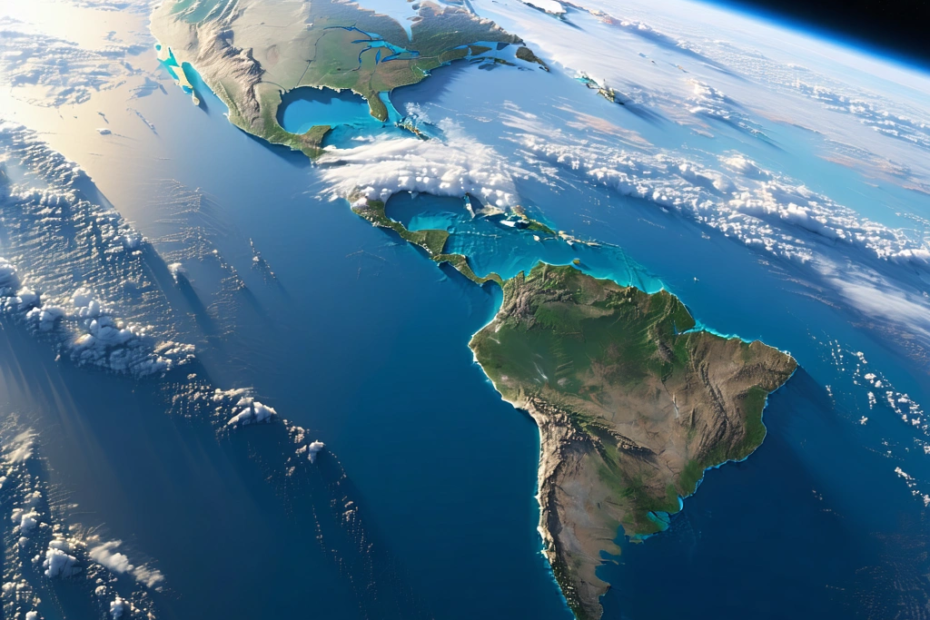
Seeing Earth from Space: A Life-Changing Perspective

Seeing Earth from Space: A Life-Changing Perspective

In Simple Terms Imagine looking at Earth from space. It looks beautiful and fragile, with a thin layer of air protecting life. This view makes astronauts realize how important it is to protect our planet.… 

Amateur Astronomer Uses AI to Discover New Exoplanet

Amateur Astronomer Uses AI to Discover New Exoplanet

In Simple Terms An amateur astronomer used artificial intelligence to find a new planet outside our solar system. This story shows how modern technology can help us discover new worlds in the universe, even if… 

The Whirlpool Galaxy: A Cosmic Dance of Stars

The Whirlpool Galaxy: A Cosmic Dance of Stars

In Simple Terms The Whirlpool Galaxy, also known as M51, is a stunning spiral galaxy located 31 million light-years away. It was first spotted in 1773 but only later recognized as a galaxy. This galaxy… 

Black Holes: The Cosmic Giants Shaping Our Universe

Black Holes: The Cosmic Giants Shaping Our Universe

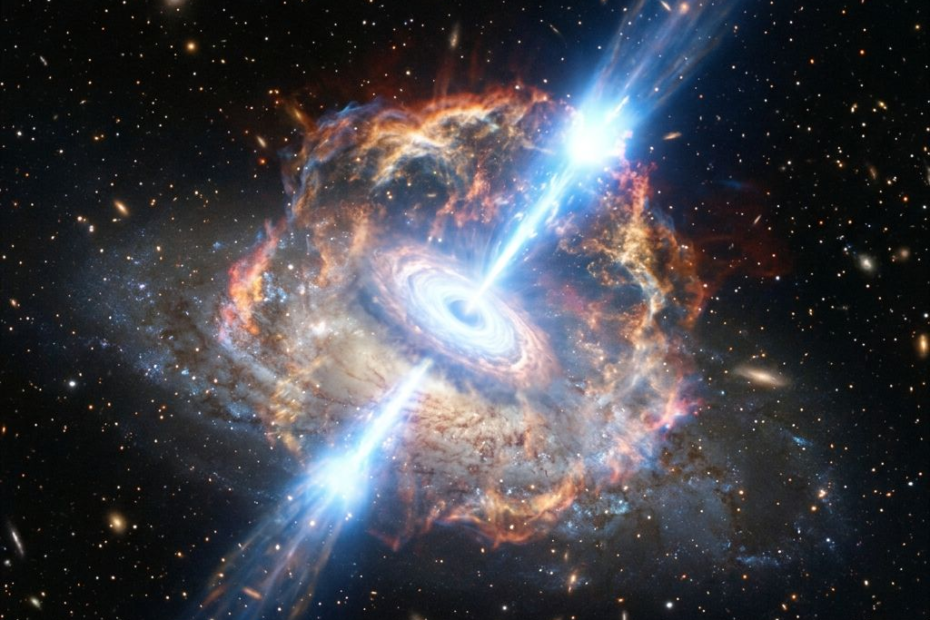
In Simple Terms In a distant galaxy, a giant black hole is consuming large amounts of matter and sending out powerful energy blasts. Scientists study this to understand how black holes affect the formation of… 

Can New Planets Form from the Ashes of Dying Stars?

Can New Planets Form from the Ashes of Dying Stars?

In Simple Terms A new study suggests that planets can form from the remnants of dying stars. When stars die, they leave behind heavy elements that can come together to create new planets. This discovery… 

Is Our Sun Just Another Star, or Something More?

Is Our Sun Just Another Star, or Something More?

In Simple Terms The Sun is a star, much like many others in space, but it has some unique features. Scientists have found that it might have less magnetic activity compared to similar stars. By… 

Typhoon Noul: A Powerful Journey Across the Pacific

Typhoon Noul: A Powerful Journey Across the Pacific

In Simple Terms Typhoon Noul is a strong storm moving west across the Pacific Ocean. It started in the central Pacific and is now heading towards the western Pacific. While it’s not causing immediate danger… 

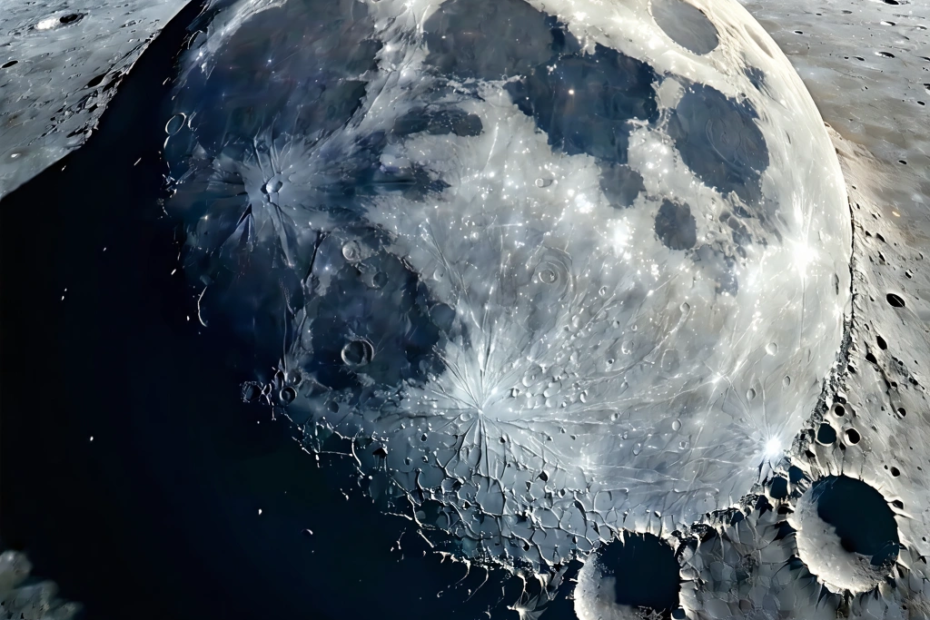
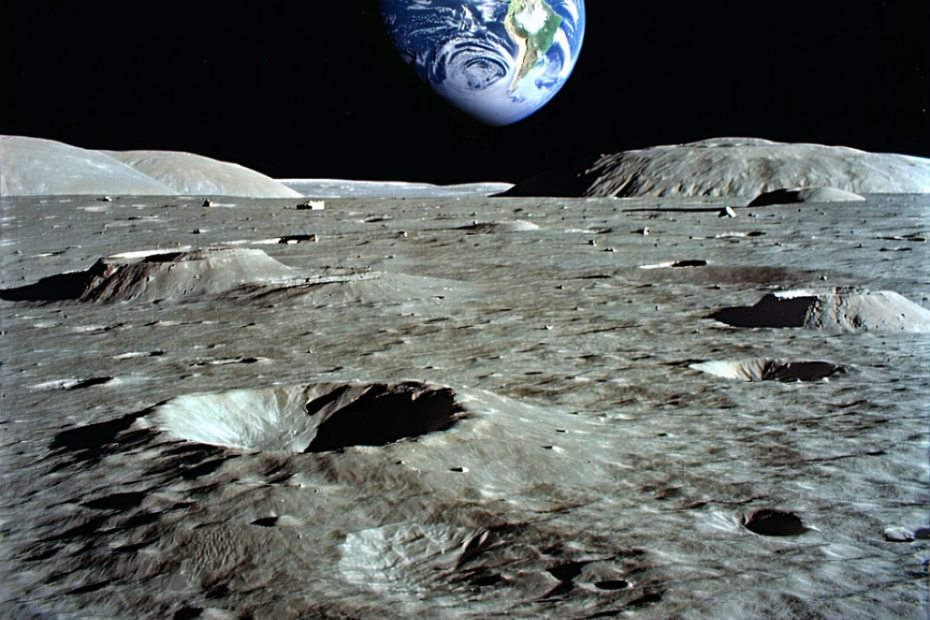
Moon’s New Giant Crater: A Cosmic Bullseye!

Moon’s New Giant Crater: A Cosmic Bullseye!

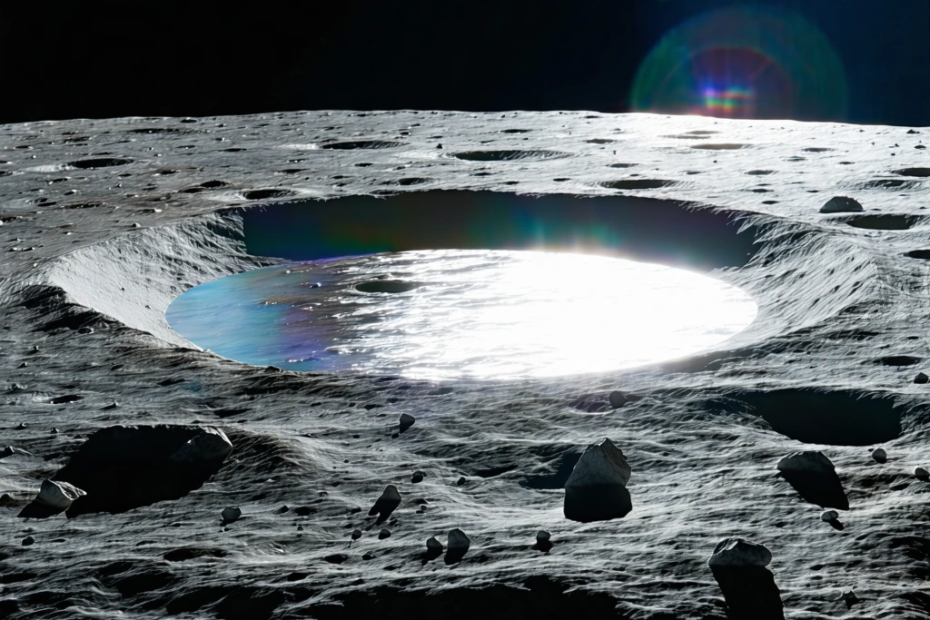
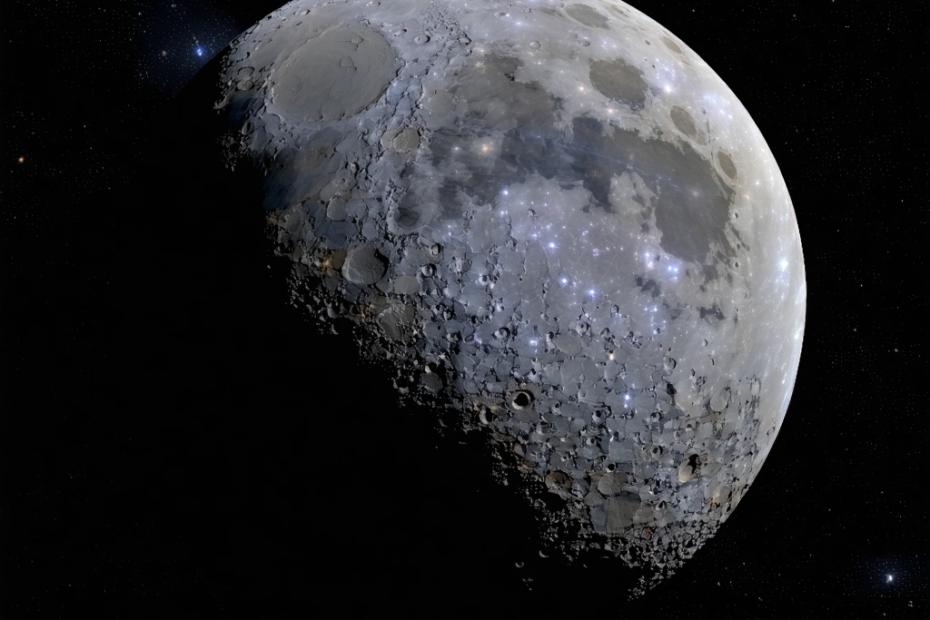
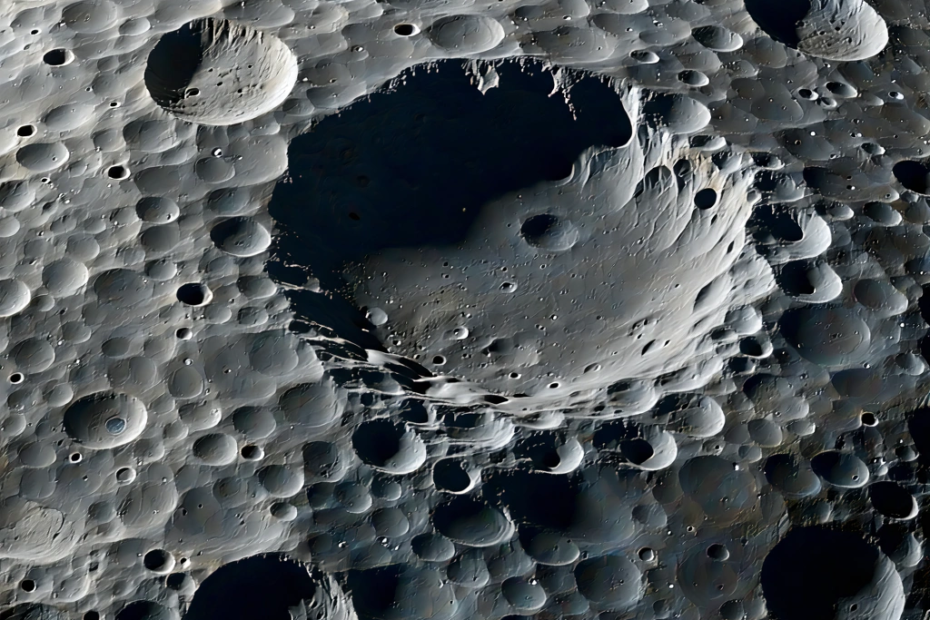
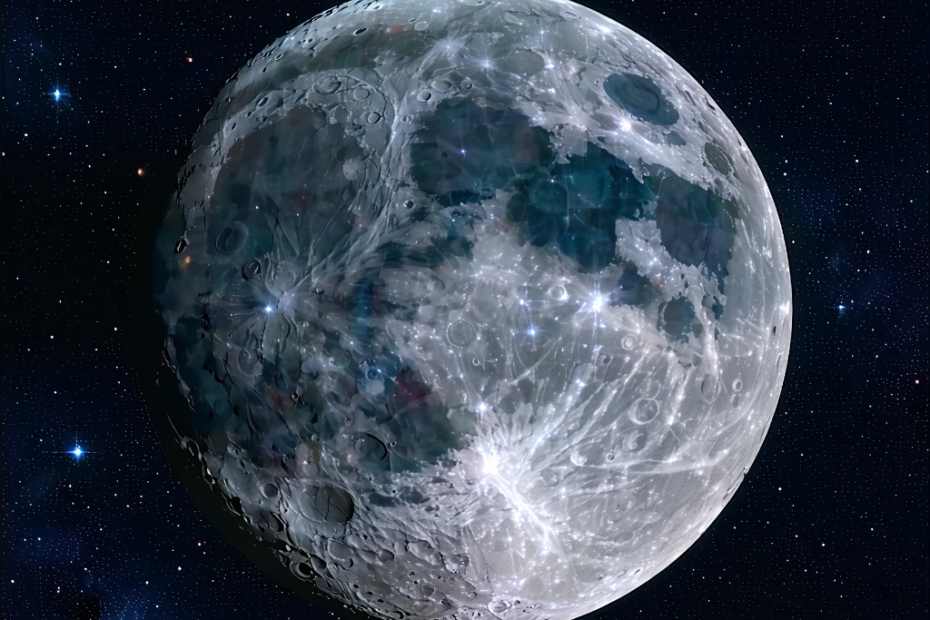
In Simple Terms Scientists have found a huge new crater on the Moon. It’s one of the biggest discovered recently in our solar system. This gives us a chance to study how meteors and asteroids… 

Solar Storms: Unseen Forces Disrupting Our World

Solar Storms: Unseen Forces Disrupting Our World

In Simple Terms Solar storms are natural events that can disrupt the technology we use every day. Long ago, they caused problems for old communication systems like the telegraph. Today, they can lead to power… 

Could Lunar Caves Be the Key to Moon Colonization?

Could Lunar Caves Be the Key to Moon Colonization?

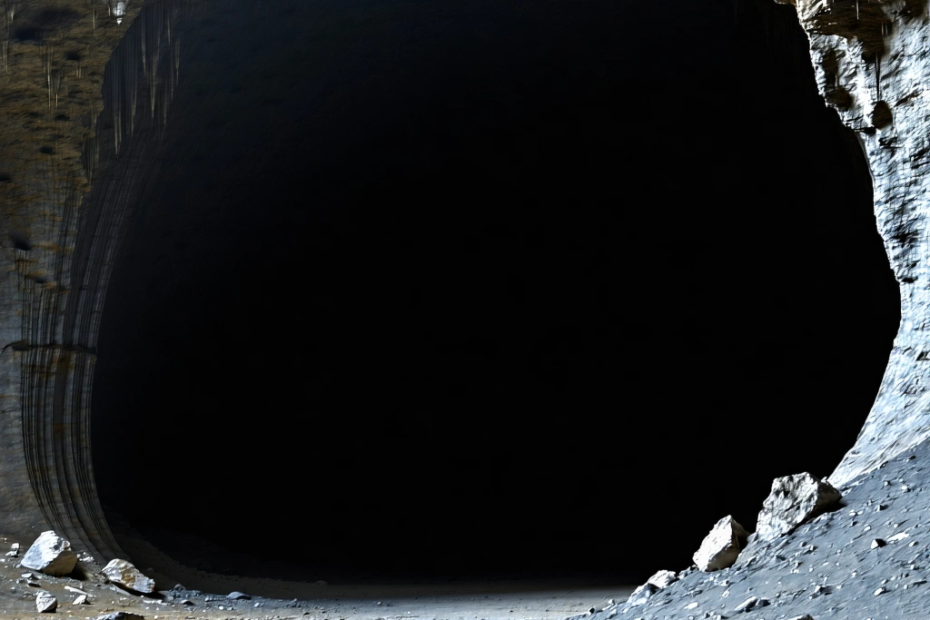
In Simple Terms Some caves on the moon might be warmer than its harsh surface, making them great spots for future moon bases. These caves offer stable temperatures, unlike the extreme heat and cold outside,… 

How Cecilia Payne Unlocked the Secrets of the Stars

How Cecilia Payne Unlocked the Secrets of the Stars

In Simple Terms In 1925, a young scientist named Cecilia Payne discovered that stars, including our sun, are mostly made of hydrogen and helium. This was a big surprise because people used to think stars… 

Unlocking the Universe: NASA’s New Cosmic Eye

Unlocking the Universe: NASA’s New Cosmic Eye

In Simple Terms NASA has launched a new telescope called the Nancy Grace Roman Telescope. It’s designed to help scientists learn more about the universe by studying galaxies and planets far away. This telescope could… 

The Trailblazing Astronomer Who Brought Us Hubble

The Trailblazing Astronomer Who Brought Us Hubble

In Simple Terms Nancy Grace Roman was a pioneering woman in space science. She played a key role at NASA and helped create the space program that launched the Hubble Telescope. Despite challenges, she paved… 

Exploring the Universe: NASA’s New Eye in the Sky

Exploring the Universe: NASA’s New Eye in the Sky

In Simple Terms NASA is launching a new telescope called the Nancy Grace Roman Telescope to explore the universe. It will help us see millions of stars and planets that we couldn’t see before. The… 

When Space Missions Fail: The Lessons of Ranger 1

When Space Missions Fail: The Lessons of Ranger 1

In Simple Terms In 1961, NASA launched a spacecraft called Ranger 1 to test new technology for future moon missions. Unfortunately, it didn’t work out as planned and burned up when it re-entered Earth’s atmosphere.… 

How a Rocket Plane Paved the Way for Space Travel

How a Rocket Plane Paved the Way for Space Travel

In Simple Terms In 1963, Joe Walker flew a rocket plane into space twice, which was a big deal back then. His flights helped scientists figure out how to reuse spacecraft, which is important for… 

Unraveling the Mystery of Silent Radio Galaxies

Unraveling the Mystery of Silent Radio Galaxies

In Simple Terms Scientists have found a new type of galaxy that suddenly stops giving off energy. These galaxies have huge gas bubbles that can stretch for millions of light-years. This discovery helps us understand… 

Why Spain’s Solar Eclipse Turned Golden

Why Spain’s Solar Eclipse Turned Golden

In Simple Terms Recently, a solar eclipse in Spain appeared golden instead of the usual silvery color. This happened because of the sun’s position in the sky and smoke from nearby wildfires. These factors combined… 

China’s New Moon Map: Redefining Lunar History

China’s New Moon Map: Redefining Lunar History

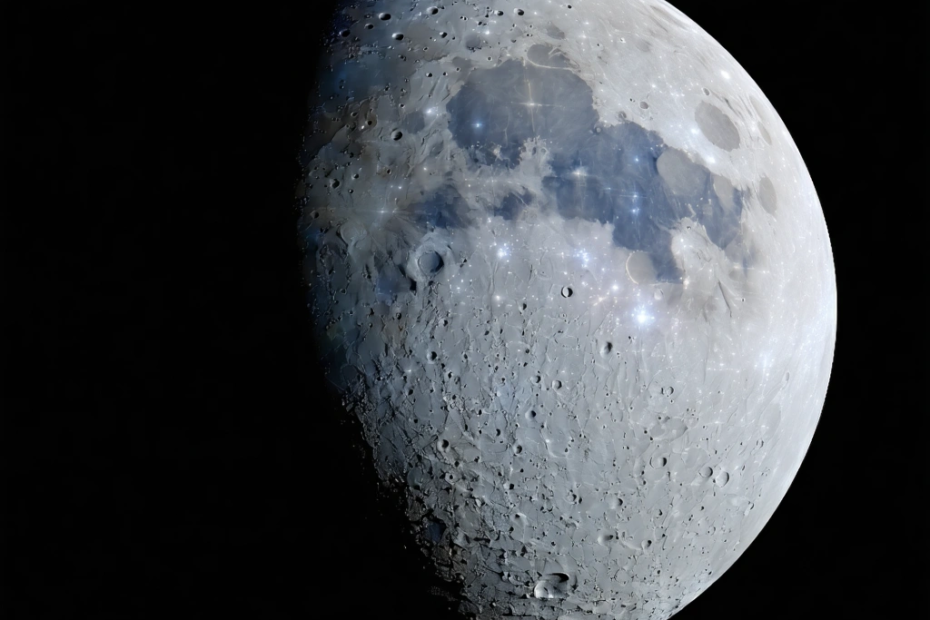
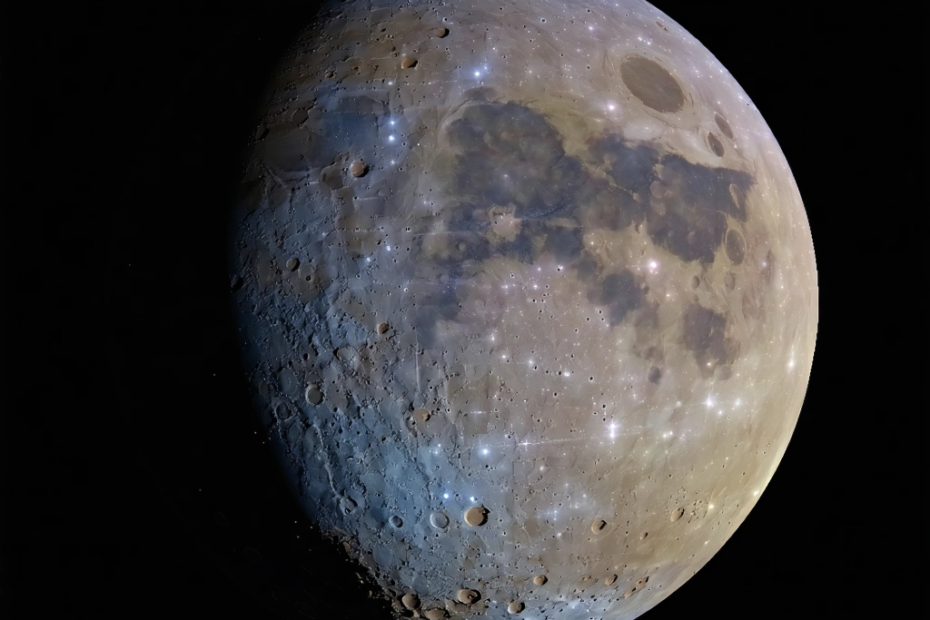
In Simple Terms China has created a new, detailed map of the moon that shows things we didn’t know before. This map helps scientists learn more about the moon’s history and what it’s made of.… 

Racing to the Moon: The New Space Race Heats Up

Racing to the Moon: The New Space Race Heats Up

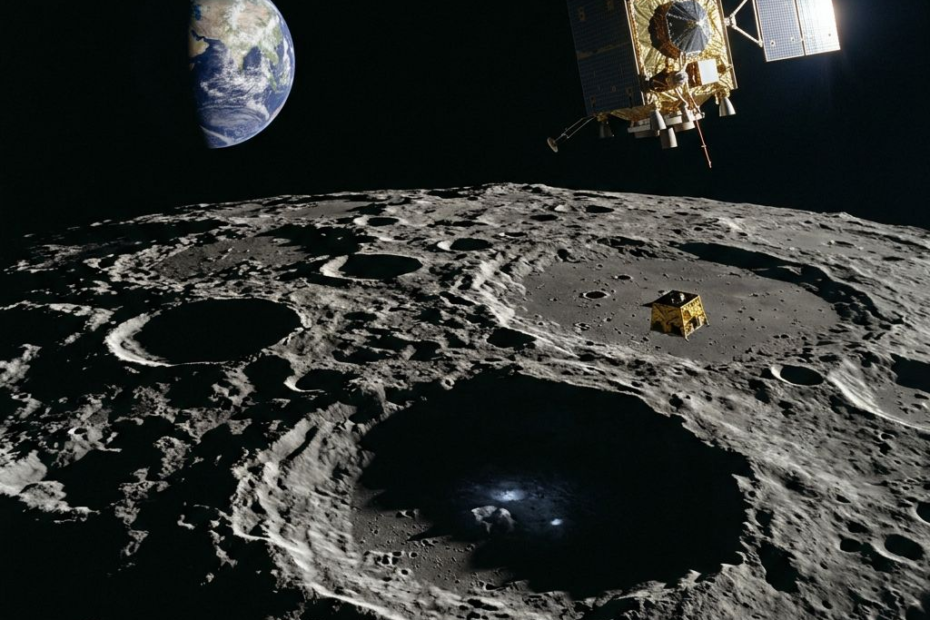
In Simple Terms The U.S. space program canceled its plan to build a lunar space station, but the effort isn’t wasted. Instead, parts of the project are being used to build a base on the…