Skip to content

Genes

The Role of Inhibitory Neurons in Brain Development

The Role of Inhibitory Neurons in Brain Development

The Role of Inhibitory Neurons in Brain Development The human brain relies on a delicate balance between excitatory and inhibitory neurons to function correctly. Recent research shows that during development, inhibitory neurons that are generated… 
Retinal Cells’ Adaptive Mechanism in Retinitis Pigmentosa

Retinal Cells’ Adaptive Mechanism in Retinitis Pigmentosa

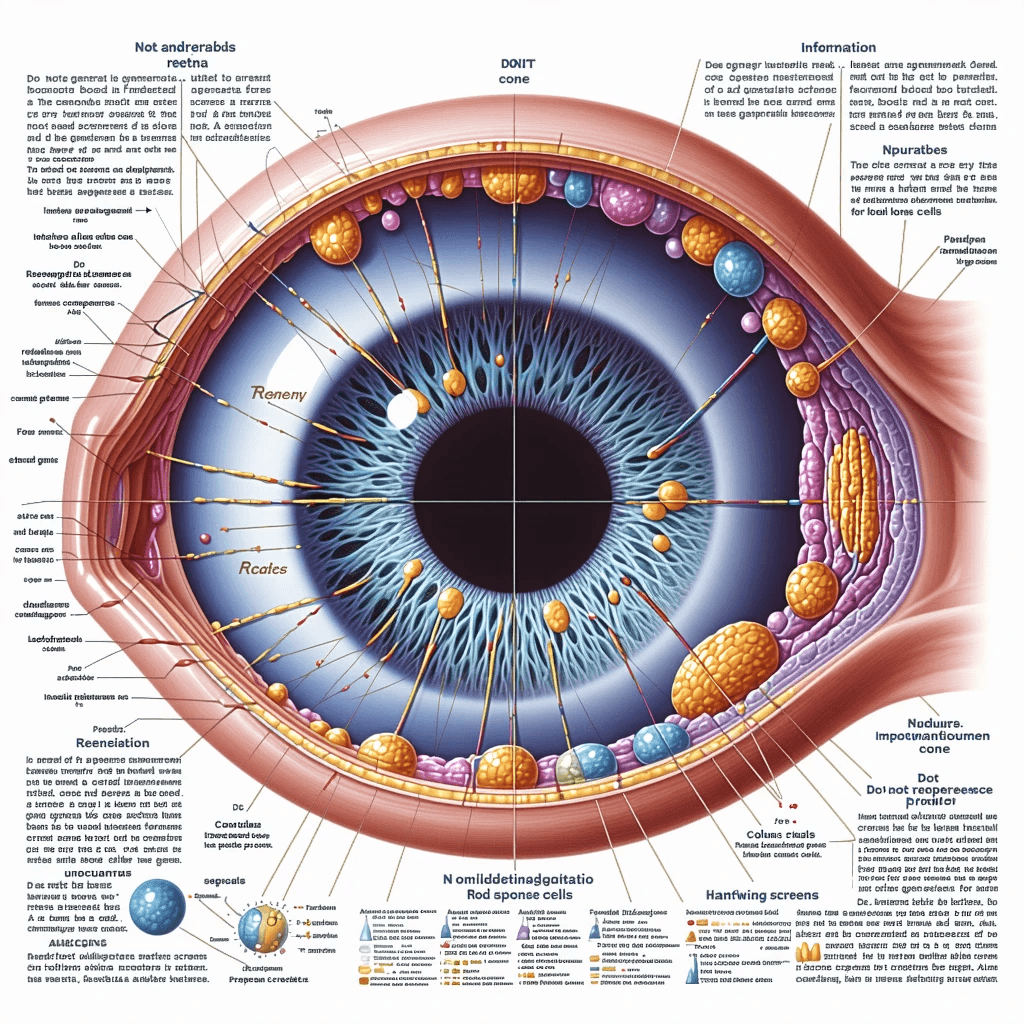
Retinal Cells’ Adaptive Mechanism in Retinitis Pigmentosa Researchers at the Jules Stein Eye Institute at the University of California, Los Angeles, have discovered that certain retinal cells can rewire themselves when vision begins to deteriorate… 

Unveiling the Secrets of Sea Spiders

Unveiling the Secrets of Sea Spiders

Unveiling the Secrets of Sea Spiders Sea spiders (Pycnogonida) are marine arthropods characterized by their unique anatomical structure. They have a narrow, short trunk, with many of their internal organs extending into their long legs,… 

New Insights into Cellular Communication During Embryonic Development

New Insights into Cellular Communication During Embryonic Development

New Insights into Cellular Communication During Embryonic Development In a groundbreaking discovery that bridges evolutionary genetics, brain and hearing research, and theoretical physics, a multidisciplinary research team has gained new insights into how cells communicate… 

Evolutionary Insights into Mammalian Pregnancy

Evolutionary Insights into Mammalian Pregnancy

Evolutionary Insights into Mammalian Pregnancy The ability to support the full development of a fetus is a remarkable evolutionary achievement in placental mammals, a group that includes humans. At the heart of this achievement is…